Beware the Billion Flies: Spotting Bullshit in Business Literature

TLDR: Beware of “data intimidation” in biz books where authors claim insights from “hundreds/thousands/millions” of interviews/studies; it’s often a sign of weak arguments. Upgrade your skepticism.


I remain a fan of business literature. The ‘will never go away’ problem as a reader is being able to filter the signal from the noise when choosing what to read. Separating the good books and authors from the pretenders is hard. Much of business literature is snake oil bullshit. 

But after years of exposure to snake oils I now have a decent ‘hack’/heuristic I can share.

If in the introduction chapter of a book the author uses an sentence resembling “….from talking to/interviewing/ analyzing hundreds/thousands/millions of….” immediately get into Bullshit Alert Mode.

I call the tactic “data intimidation“. Data Intimidation is a subtle tell that the author is not so confident of the conclusions and lessons in the book. The book’s author wants to ensure that when (it’s not an IF usually) you encounter grand flimsy claims, dubious conclusions or naïve “lessons” in the book you will suppress the tingling bullshit detector alarm beeping in your head and get cowed by the claims “….from talking to/interviewing/ analyzing hundreds/thousands/millions of….” . Any author can rightfully also claim “After interviewing BILLIONS of flies we conclude Shit tastes Good!”. Data Intimidation exploits the social proof phenomenon. 60% of the time it works everytime.

Readers : Immediately upgrade your skepticism levels when you read any writer try the data intimidation tactic.

How some brands redefine their Niche

There is a concept in business called ‘the triangle of truth’

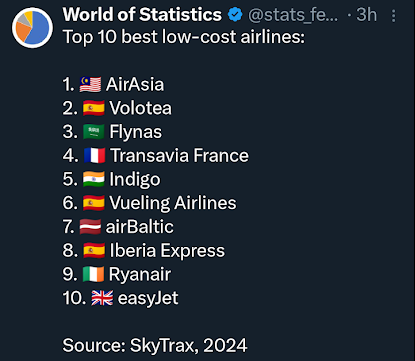
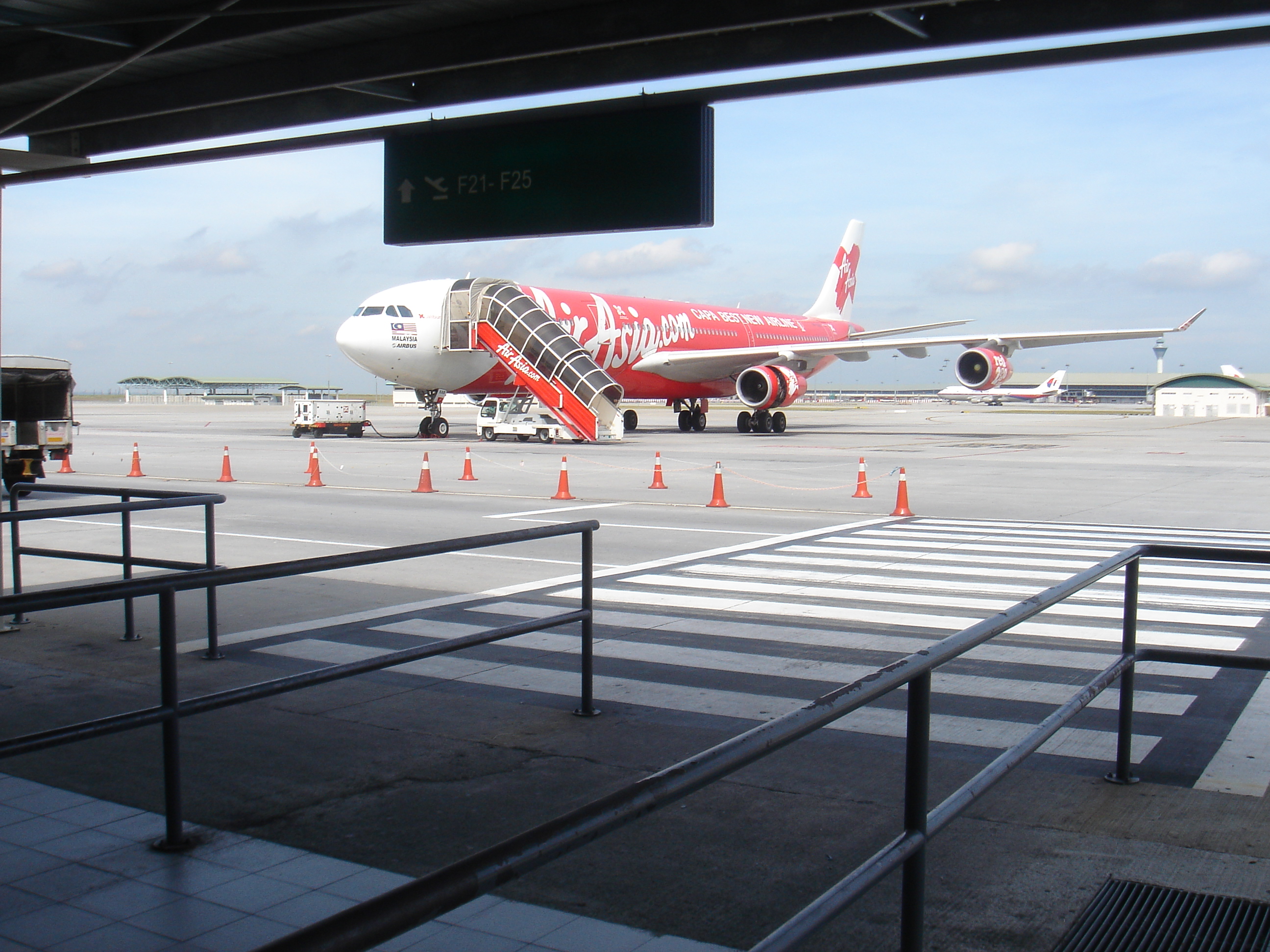
Air Asia bills itself as a Low Cost Carrier (LCC). Its tickets are, if you book them early enough, Cheap. Air India is not a low cost carrier. It is India’s nationalized airlines and competes by offering the lowest fares vs competitors. It’s a subtle but key difference.

Say you want to fly Delhi to London. Go on Kayak.com and try booking a ticket between, say, Delhi and London. The choices would most likely show BA/Jet Airways/Virgin offering fares higher than Air India. AI is cheap because it is forced by the competition. Air Asia is cheap because that is its USP but Air Asia is not cheap everywhere else where it counts not to be.

If you ever flew both these airlines the difference could not be starker. Air Asia planes look, smell new, are well maintained and its cabin crew is superb. On a recent trip I saw AA crew members discreetly clean the toilets 5 times on a 5 hour flight. I am sure that wasn’t the favorite part of their jobs but they did it.

I flew Air India a while ago. Its aircraft look old, smell odd and everything looks well past its prime. Including the crew. Every passenger request is treated as an unwelcome inconvenience. The stewardesses looked surly. I even saw one loudly and publicly admonish a mom while deplaning for not being able to get her baby from wailing. En route when I needed some water and no one had answered the call button I walked into the crew galley and found them sitting on overturned crates and playing cards. One gruffly asked me to help myself to the water.

The only airlines that could compete with this level of shit service would be BA. Or PIA.

Air India does not bill itself as a Low Cost Carrier (LCC). It is the “national carrier”. Air India is cheap in the pejorative sense. Air Asia is a LCC but behaves like a LCC only in the one area it matters to you and me as a customer : Low Ticket Prices. In everything else it is Premium.

img_0809.jpg

Being confined to a niche or segment shouldn’t mean you take the accepted definition of the niche and use it to define and confine your business. Take the best aspects (of the definition) and junk the rest. As the fantastic line from The Departed guides :


2025 Update 👇🏼

The Logistics Paradox: Why AliExpress & Temu Beat the Cheap Flight Revolution

TL;DR Summary : In early 2000s, the “Cheap Flight Revolution” promised to disrupt local retail by making global markets a weekend trip away. The hypothesis? Budget airlines would do to physical showrooms what Amazon did to bookstores. But by the 2010s, the disruption didn’t come from travelers filling suitcases in Bangkok; it arrived via massive container ships and digital giants like Temu and AliExpress. While air travel became more accessible, it couldn’t compete with the efficiency of modern global logistics. Ultimately, the “borderless market” was realized not through the movement of people, but through the seamless, low-tariff delivery of goods directly to our doorsteps.


I was in Bangkok a few days ago (late 2010) with friends and we stayed at Khaosan Road, the western traveler mecca. We did multiple laps of the nearby streets in our short stay there. Anything less than a month should count as short stay. Bangkok and Thailand deserve more. Airlines like AIR ASIA will help the deserving.

All of Bangkok bustles with services and potable trinkets on sale. potable being the operative word. You can’t entice travelers facing airline luggage restrictions to buy the local furniture. I was doing this trip to SE Asia thanks to cheap tickets on Air Asia. Walking through the markets I couldn’t help wondering : If the internet allowed us to now transcend geography and buy/consume the best digital services, borders be damned, could cheap air fares ensure the market for physical items went to the best out there too ?

Why buy the overpriced smartphone or Laptop at the local showroom when you can snag it at your next short weekend break, thanks to airlines like AIR ASIA?. A decade ago impossible. Now, thanks to upstarts like Air Asia, easy.

img_0819.jpg
the next threat to your business model may be getting ready to take off.

If the CEO is mapping out market threats, on the Porter’s 5 competitive forces framework now he should add ‘cheap air travel tickets‘ in the ‘Power Of Buyers section’.

Porter's Five Forces Revisited: Are There Really Five Forces?

My hypothesis : Cheap air fares will do, for some industries, what Amazon did to book sellers.


2025 Update : Cheap Air Travel did take off since this 2010 post. Asia and Europe is even more accessible to tourists in 2025 vs 2010. But I did not factor in the possibility that no one had to travel anywhere to shop if the brochure was online and anything in it came to their doorstep in 2 weeks, without too much trouble or cost. When I wrote the post in 2010 Aliexpress.com had just launched. Temu was a decade+ away, low tariffs + new massive container ships, esp Chinese, were making inroads at ports across the world.

Today, in ~2 weeks, most anything you desire can be with you, cheaply enough.

Did my hypothesis pan out ? Not really. Air Travel did become cheap but Temu is cheaper.

Types of cargo ships used in global trade