Stop Doomed Projects: 3 Books Offer Insights on Planning, Communication, and Execution

Project failures are rampant. Seven in ten projects fail to deliver promised benefits, often exceeding budgets. After two decades witnessing this firsthand in reengineering and transformation projects, I sought insights from three books to understand why well-intentioned projects fail and how to address a common culprit: poor communication.

The books reviewed are:

  1. Reengineering the Corporation: A Manifesto for Business Revolution
  2. How Big Things Get Done: The Surprising Factors Behind Every Successful Project
  3. The Bezos Blueprint: Communication Secrets that Power Amazon’s Success

While none earned more than a lukewarm 6/10, each offered valuable guidance on managing complex projects and improving communication.


1. Reengineering the Corporation
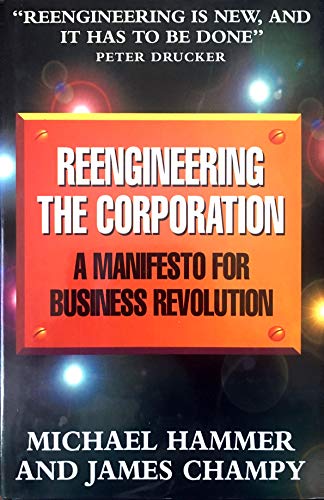
This 1993 book ignited the reengineering craze of the 90s and 2000s, a concept still relevant today under the banner of “Digital Transformation.” The book identifies three types of processes: broken, important, and ripe for reengineering. It focuses on the latter. Three key chapters stand out:

  • Chapter 3: ‘9 Themes/Rules of Reengineering’
  • Chapter 6: ‘5 Key Roles in Reengineering’
  • Chapter 14: ’19 Reasons Why Reengineering Fails’

These lists provide a concise overview of critical considerations for any reengineering effort:

9 Themes/Rules:

  • Combine multiple jobs into one.
  • Empower workers to make decisions.
  • Perform process steps in a natural order.
  • Implement multiple process versions.
  • Perform work where it makes the most sense.
  • Reduce checks and controls.
  • Minimize reconciliation.
  • Use a case manager as a single point of contact.
  • Employ hybrid centralized/decentralized operations.

5 Key Roles:

  • Reengineering Leader
  • Process Owner
  • Reengineering Team
  • Steering Committee
  • Reengineering Czar

19 Reasons for Failure:

  • Fixing instead of changing the process.
  • Lack of focus on business processes.
  • Ignoring everything but process redesign.
  • Neglecting people’s values and beliefs.
  • Settling for minor results.
  • Quitting too early.
  • Leaders imposing prior constraints.
  • Leaders allowing existing culture to hinder progress.
  • Bottom-up implementation attempts.
  • Assigning unqualified leaders.
  • Insufficient resources.
  • Marginalizing reengineering on the agenda.
  • Dispersing energy across too many projects.
  • CEO involvement near retirement.
  • Confusing reengineering with other improvement programs.
  • Focusing solely on design, not execution.
  • Trying to avoid upsetting anyone.
  • Withdrawing when resistance arises.
  • Prolonging the effort unnecessarily.

Key takeaways from the book include the need to break boundaries, the iterative nature of reengineering, and the importance of focusing on processes, not functions. Bill Gates highlighted, in his review, the need to regularly review processes, avoid excessive fragmentation of work, and minimize hand-offs. Worked for MSFT.

My key takeaway: Before launching a reengineering project, gather the five key roles, review the nine themes, and conduct a pre-mortem by ranking the 19 failure reasons by likelihood. This simple step could prevent many project disasters. The book emphasizes the high-risk nature of reengineering; many factors must align for success.


2. How Big Things Get Done
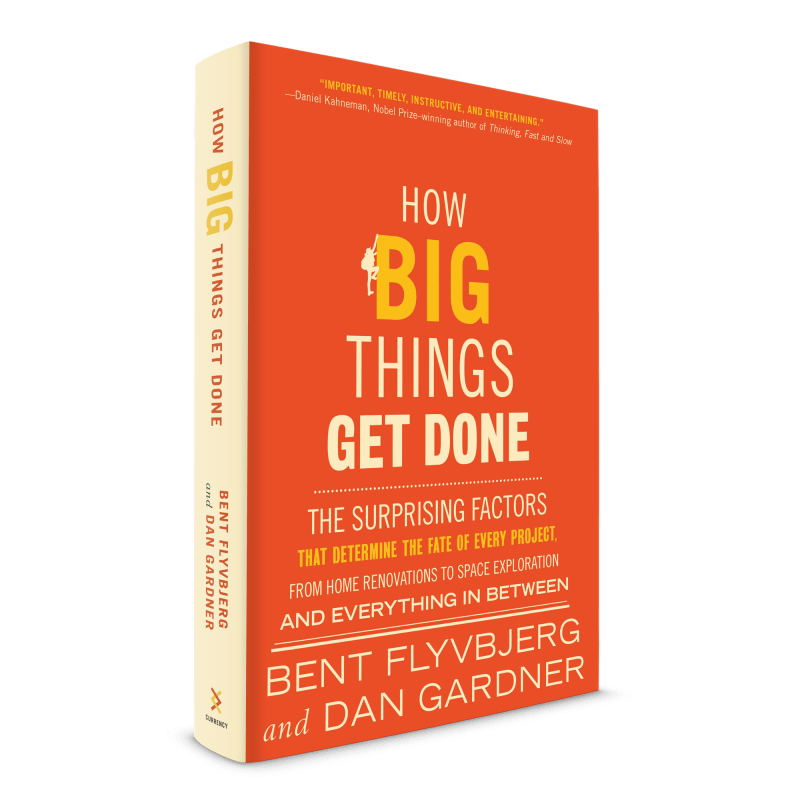
How Big Things Get Done Book - Penguin Random House

This book addresses the “Iron Law of Megaprojects”: they consistently run over budget, over time, and under deliver on benefits. While not particularly “surprising,” it offers valuable wisdom for executives and project managers. Key takeaways:

  1. Plan thoroughly beforehand: Resist the urge to “think fast, act slow.” Planning is not wasted effort; it’s the most cost-effective progress. Ask the 5Ws and 1H.
  2. Iterate and test on a smaller scale: Beta testing is crucial.
  3. Rely on proven solutions: Use existing designs, technologies, and experienced personnel. Avoid custom or bespoke solutions.
  4. Recognize your project’s commonality: Use data from similar projects for planning and projections. Avoid the “this one is different” fallacy.
  5. Be publicly optimistic, privately pessimistic: This prepares you for unexpected challenges.
  6. Build a strong, aligned, and motivated team: Incentivize on-time and on-budget delivery.
  7. Consider modular design: This reduces complexity.

The book concludes with 11 heuristics for project managers, all aligned with the above takeaways.

  1. hire a masterbuilder
  2. get your team right
  3. ask “WHY?”
  4. build with lego
  5. think slow, act fast
  6. take the outside view
  7. watch your downside
  8. say NO and walk away
  9. make friends and keep them friendly
  10. build climate mitigation into your progect
  11. know that your biggest risk is you

My key takeaway: Before any project, question all assumptions and stress-test them. Thorough planning prevents being “doomed before you begin.”


3. The Bezos Blueprint
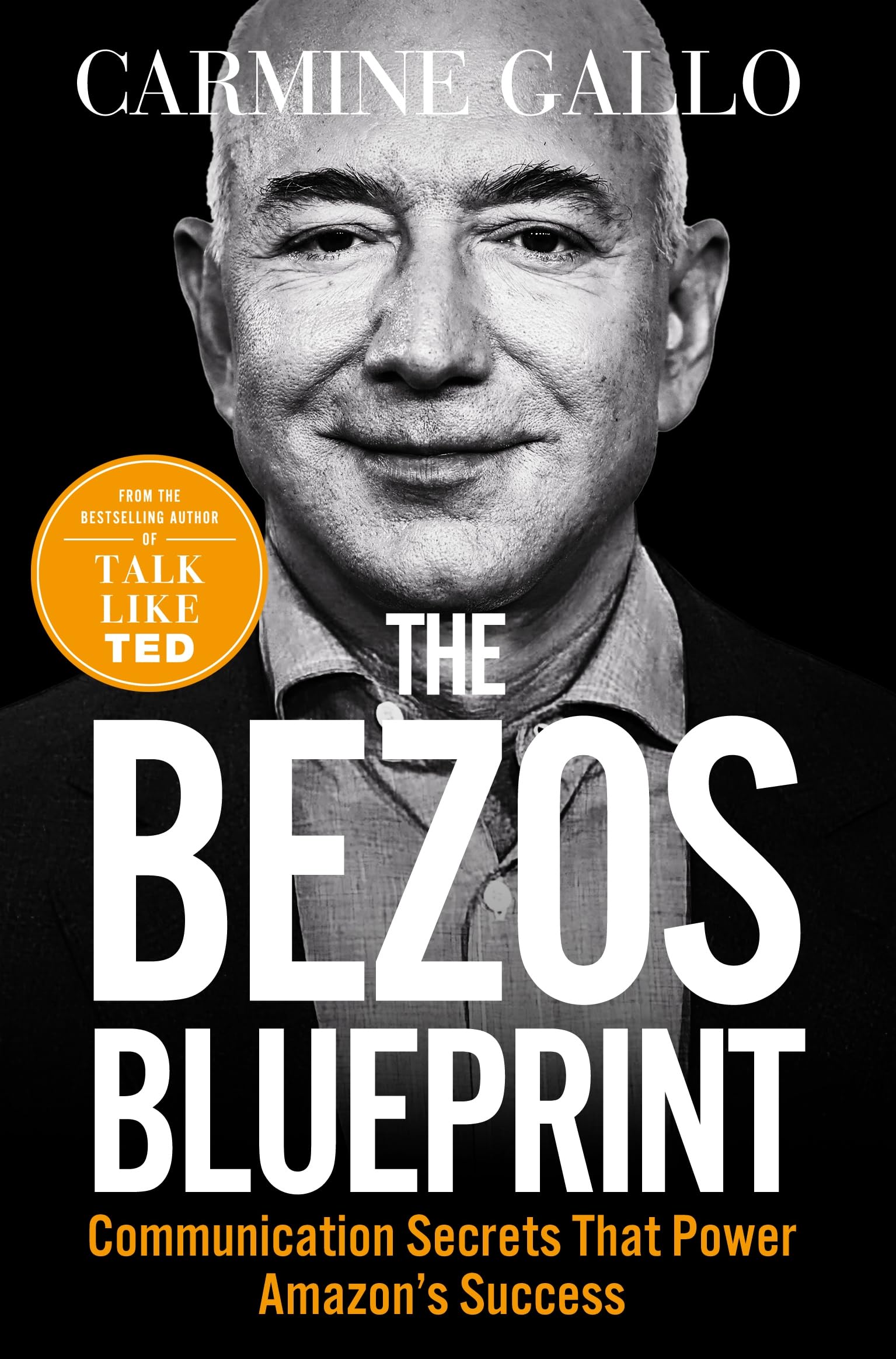
The Bezos Blueprint: Communication Secrets that Power Amazon's Success:  Amazon.co.uk: Gallo, Carmine: 9781035004119: Books

This book focuses on improving written and presentation communication. It’s divided into three sections:

  1. Improve Your Writing: Emphasize simplicity. Write for an 8th-grade level. Use short sentences and avoid jargon. Start with what the audience knows. The book offers seven writing tips: begin with subjects and verbs, order words for emphasis, use active voice, use strong verbs, avoid qualifiers, vary sentence length, and use parallel structures. It also introduces the “logline,” a concise summary of your story (like a movie tagline). This is similar to the military’s “BLUF” (Bottom Line Up Front). Use metaphors and analogies effectively.
  2. Tell Better Stories: Use the three-act structure (setup, challenge, resolution) with added “beats”: catalyst, debate, fun and games, and “all is lost” moment. The book discusses using this structure for origin story presentations. It also explores Amazon’s “narrative memo” (no PowerPoint) and the “PR/FAQ,” a document written before a launch, as if it were the launch day announcement. This forces clarity and internal alignment. Finally, it emphasizes the importance of reading.
  3. Get Better at Convincing People: Introduces “AMP”: Ability, Message, and Practice. It analyzes Bezos’s and Steve Jobs’s communication styles. It advises communicating your mission relentlessly and using symbolic reminders (like Bezos’s empty chair for the customer). It also covers humanizing data and introduces the “Gallo Method Map Template,” a simplified version of the MECE model: start with a logline, make 3+ key points supported by stories/data/analogies, and end by repeating the logline.

My takeaways: Keep messages simple and memorable, craft clear narratives using the three-act structure, and practice.


Final thoughts :

Nothing in these 3 books are going to come as “earth shattering insight” to the average reader of such literature. But then my goal was to better understand –
(a) the reasons expensive well intended and mission critical projects fail
(b) how to plug one recurring theme is most failed projects – Poor Communication

And on these modest goals these 3 books do deliver.

My 2024 Media Roundup: Best of Film, Books, & Articles

In 2024 I read 36 books, 53 Longform Articles (LFAs) and watched 53 Films.

TL;DR – Here are my top recommendations, if you just want the winners, no reasons or details needed:

Best Film I saw in 2024 : Dune (Part 2)


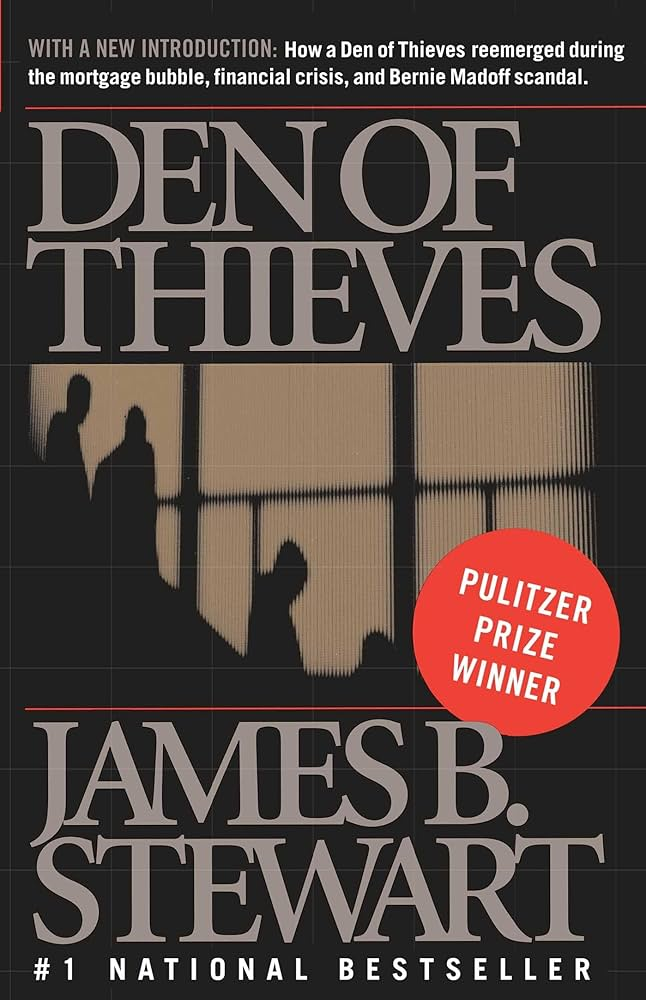
Best Book I read in 2024 : Den of Thieves by James Stewart


Best Longform Article I read in 2024 : Book Review of “Two Arms and a Head”, by Amanda, on the blog of Scott Alexander


The 10 Best Films I saw in 2024, in ranked order :

Dune: Part 2
The Talented Mr. Ripley
The Remains of the Day
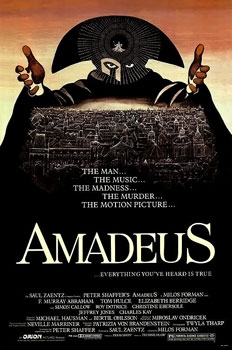
Amadeus
Before the Devil Knows You’re Dead
The Birdcage
The Death of Stalin
Dune: Part 1
Fallen
Zone of Interest


The 3 Best Books I read in 2024, in ranked order :

Den of Thieves by James B. Stewart
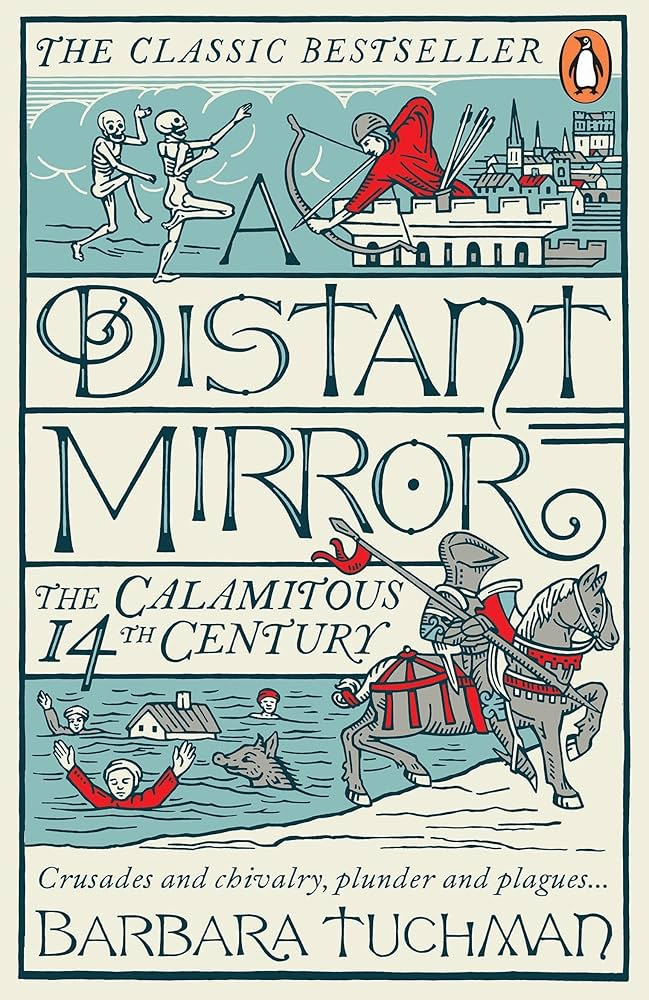
A Distant Mirror by Barbara W. Tuchman
The French Revolution by Christopher Hibbert


The 10 Best Longforms I read in 2024, in ranked order :

BOOK REVIEW of “Two Arms and a Head”, by Amanda, on the blog of Scott Alexander
Speech Transcipt : ‘How to Fight Back Against the Censors’, by Matt Taibbi
BOOK REVIEW of “Flying Blind”, by JOHN P SMITH
BOOK REVIEW of “Scaling People”, by JOHN P SMITH
Blog : ‘Surely you can be serious’, by ADAM MASTROIANNI
Blog : ‘Declining trust in Zeus is a technology’, by ADAM MASTROIANNI
Memo in August 2024 ‘Mr. Market Miscalculates’, by investor Howard Marks
BOOK REVIEW of ‘The Real North Korea’, by JOHN PSMITH
BOOK REVIEW of ‘South Africa’s Brave New World’, by JOHN PSMITH
BOOK REVIEW of ‘Reentry’, by JOHN PSMITH


If you stop now, you have read the essence of this blog post. If you want details, read on.

Here are my reasons for of why some of these films, books, longforms should be seen/read :

Dune (Part 2) : If the original aim of films is to take the viewer into an alternative universe and totally immerse him in that universe, rooting for the protagonist, Dune 2 does it spectacularly. So many scenes literally take your breath away after making you hold it for what seems like eternity. And watching it on the big screen, preferable an IMAX, is the way to cement it in your memory as one of the best cinema experiences of your life. yes. OF YOUR LIFE.

Den of Thieves (Book) : I am and will always remain a sucker for a well written book on corporate and business scandals. And Den of Thieves was the OG that started the genre.The book narrates how, in the 1980s, a few well educated well connected crooks, created one of the largest insider trading schemes in financial history. They leveraged inside information about upcoming mergers and acquisitions to make profits in the stock market, leading to massive illegal gains. the author, James Stewart, superbly details the investigative efforts of law enforcement and regulatory bodies like the SEC, which eventually led to the arrests and convictions of these Wall Street ‘titans’. The book contrasts the lavish lifestyles and the overconfidence of the perpetrators with the diligent, often under-resourced efforts of the investigators who brought them to justice. It’s not just a recounting of financial crimes but also a study in human greed, the culture of Wall Street during the 1980s, and the ethical compromises made in pursuit of wealth. It explores themes like the corruptibility of financial systems (still ongoing), the moral decay in high finance (also still ongoing), and the consequences of unchecked ambition(also …). The book’s impact was significant, contributing to a broader public understanding of and skepticism towards financial markets, especially in light of subsequent financial scandals and crises like Enron. (And if you want a fantastic “TRILOGY” to read in 2025 start with Den of Thieves, then ‘The Smartest Guys in the Room’ and finish with ‘BAD BLOOD’. You will NOT regret it.

Longform – A winning book review of the book “Two Arms and a Head”, by Amanda on Scott Alexander’s blog : There was, till recently, a raging debate about assisted suicide here in the UK. Assisted dying bill would allow some terminally ill adults to end their own lives. I found myself, coming into it uninformed but now I see myself supporting the legislation and this well written (but depressing) LFA is the reason why. The book, and by extension the review by Amanda, serves as a poignant reflection on autonomy, the right to die, and the profound existential questions that arise when one’s physical capabilities are drastically altered. It’s portrayed as both a personal tragedy and a broader commentary on human condition, choice, and the nature of suffering. This was one of those articles I found myself thinking about long after I finished reading the LFA. Do not attempt this LFA or the book unless you are in a good space mentally.


“Shiva, now quickly give me the reason to read/view your other top recommendations, but just in one sentence!” [OK. Challenge Accepted!]

Superb Films

The Talented Mr. Ripley – a superb psychological thriller about Tom Ripley, a young man who becomes obsessed with the luxurious lifestyle of a wealthy acquaintance, Dickie Greenleaf.

The Remains of the Day – an unbelievably great film focusing on the story of Stevens, a dedicated butler played TO PERFECTION by Anthony Hopkins, who revisits his past service at Darlington Hall and his unspoken love for the housekeeper, Miss Kenton, portrayed by Emma Thompson, set against the political and social changes of the 1930s and 1950s England.

Amadeus – A 1984 biographical drama film that explores the tumultuous relationship between the brilliant yet troubled composer Wolfgang Amadeus Mozart, and the envious court composer Antonio Salieri, with the narrative framed as Salieri’s confession of his culpability in Mozart’s decline and death.

Before the Devil Knows You’re Dead – a 2007 crime drama directed by Sidney Lumet, which follows two brothers, played by the too good for words Philip Seymour Hoffman and Ethan Hawke, who orchestrate a botched robbery of their parents’ jewelry store, leading to a cascade of tragic and unintended consequences that unravel their lives and family bonds.

Great Books

A Distant Mirror – A historical narrative that examines the tumultuous late Middle Ages, focusing on the life of French nobleman Enguerrand VII de Coucy to illustrate the social, political, and economic upheavals, including the Hundred Years’ War, the Black Death, and the papal schism, that characterized the period.

The French Revolution – A comprehensive and engaging history that narrates the dramatic events from the fall of the Bastille in 1789 to Napoleon’s coup in 1799, detailing the political upheavals, social changes, and the key figures involved in this transformative period of French and European history.

An Excellent Longform

Speech Transcript : ‘How to Fight Back Against the Censors’, by Matt Taibbi – If you hold Free Speech as a key part of a vibrant democracy, this here is the speech for you.


And lastly here below is the full list of everything I read and saw in 2024, rank ordered, from amazing to decent to OK to not good :

Movies :

The Remains of the Day
The Talented Mr. Ripley
Amadeus
Dune: Part Two
Before the Devil Knows You’re Dead
The Birdcage
The Death of Stalin
Dune: Part One
Fallen
The Zone of Interest

The Pledge
Past Lives
The Whale
American Gangster
Band of Brothers
Grave of the Fireflies
About Time
Black Hawk Down
A Few Good Men
Lone Survivor
Fracture
Bicycle Thieves
Oppenheimer
Stop at Nothing: The Lance Armstrong Story
Laapataa Ladies
12th Fail
Furiosa: A Mad Max Saga
The World’s End
Casino Royale
The Lord of the Rings: The Two Towers
The Lord of the Rings: The Return of the King
The Lord of the Rings: The Fellowship of the Ring
Forrest Gump
Sam Morril: You’ve Changed
Society of the Snow
Army of Darkness
Colin Quinn: The New York Story
Tim’s Vermeer
Dave Made a Maze
Taxi
From Russia with Love
The Ninth Gate
Goldfinger
A History of Violence
Lawrence of Arabia
The Devil Wears Prada
Belfast
Federer: Twelve Final Days
Ballerina
Plane
Solaris
Final Destination 5
Puss in Boots: The Last Wish
Final Destination
Stand by Me
Bullet Train

Books :

Book : – Den of Thieves – Finished – Really enjoyed it
Book : – the 1300s – A Distant Mirror – Finished – Really enjoyed it
Book : – The French Revolution (1788-1799) – Finished – Really enjoyed it

Book : – Poor Charlies Almanack – Finished – Liked it
Book : – BLINDSIGHT (SciFi) – Finished – Liked it
Book : – Man’s Search for Meaning – Finished – Liked it
Book : – Merchant Kings – Finished – Liked it
Book : – POB = Clarissa Oakes – Finished – Liked it
Book : – POB = Nutmeg of Consolation – Finished – Liked it
Book : – POB = Wine Red Sea – Finished – Liked it
Book : – Dark Matter (SciFi) – Finished – Liked it
Book : – The EXPANSE BOOK #1 (SciFi) – Abandoned
Book : – PostWar (AfterWW2) – Abandoned
Book : – the Dictators Handbook – Abandoned
Book : – The Last Mughal by William Dalrymple – Unfinished on 31.12; intend to finish”
Book : – And then there were none – – Unfinished on 31.12; intend to finish
Book : – Dead In The Water – Unfinished on 31.12; intend to finish – Unsure
Book : – The Siege – Unfinished on 31.12; intend to finish – Unsure
Book : – ReEng the corporation – Unfinished on 31.12; intend to finish –
Book : – Da Vinci’s Bio – Unfinished on 31.12; intend to finish –
Book : – Guns of August (WW1 August 1914) – Unfinished on 31.12; intend to finish –
Book : – How America went to the Moon – Unfinished on 31.12; intend to finish –
Book : – March of Folly (All Wars) – Unfinished on 31.12; intend to finish –
Book : – How Big Things Get Done – Unfinished on 31.12; intend to finish –
Book : – The Bezos Blueprint – Unfinished on 31.12; intend to finish –
Book : – the bomb – Abandoned – will reattempt
Book : – Upgrade (SciFi) – Abandoned – will reattempt
Book : – When reason goes on holiday – Kindle Trials/Samples I read – May buy/attempt this
Book : – the road to character – Kindle Trials/Samples I read – May buy/attempt this
Book : – Age of Revolutions – Kindle Trials/Samples I read – May buy/attempt this
Book : – A hitch in time – Kindle Trials/Samples I read – May buy/attempt this
Book : – How the world really works – Kindle Trials/Samples I read – May buy/attempt this
Book : – The Shipping News – Kindle Trials/Samples I read – Unsure
Book : – Lem. Solaris. – Kindle Trials/Samples I read – will not buy/attempt
Book : – Stalin the court of the red czar – Kindle Trials/Samples I read – will not buy/attempt
Book : – Mote in God’s eye – Kindle Trials/Samples I read – will not buy/attempt

Longforms

LFA : BOOK REVIEW of “Two Arms and a Head”,by ‘AmandaFromBethlehem’ ( Website Address : https://www.astralcodexten.com/p/your-book-review-two-arms-and-a-head )
LFA : Matt Taibbi: How to Fight Back Against the Censors | Speech by Matt Taibbi ( Website Address : https://www.thefp.com/p/matt-taibbi-censorship-free-speech-rescue-the-republic )
LFA : BOOK REVIEW: Flying Blind, by Peter Robison – By JOHN PSMITH ( Website Address : https://www.thepsmiths.com/p/review-flying-blind-by-peter-robison )
LFA : BOOK REVIEW: Scaling People, by Claire Hughes Johnson ( Website Address : https://www.thepsmiths.com/p/review-scaling-people-by-claire-hughes )
LFA : BOOK REVIEW: South Africa’s Brave New World, by R.W. Johnson – By JOHN PSMITH ( Website Address : https://www.thepsmiths.com/p/review-south-africas-brave-new-world )
LFA : Surely you can be serious | ADAM MASTROIANNI ( Website Address : https://www.experimental-history.com/p/surely-you-can-be-serious )
LFA : Declining trust in Zeus is a technology | ADAM MASTROIANNI ( Website Address : https://www.experimental-history.com/p/declining-trust-in-zeus-is-a-technology )
LFA : August 2024 Memo from investor Howard Marks : Mr. Market Miscalculates ( Website Address : https://www.oaktreecapital.com/insights/memo/mr-market-miscalculates )
LFA : REVIEW: The Real North Korea, by Andrei Lankov by JOHN PSMITH ( Website Address : https://www.thepsmiths.com/p/review-the-real-north-korea-by-andrei )
LFA : BOOK REVIEW: Reentry, by Eric Berger ( Website Address : https://www.thepsmiths.com/p/review-reentry-by-eric-berger )
LFA : ACX : ACX Endorses Kamala Harris, Oliver, Or Stein ( Website Address : https://www.astralcodexten.com/p/acx-endorses-harris-oliver-or-stein?hide_intro_popup=true )
LFA : ACX Book Review: How the WW2 Was Won ( Website Address : https://www.astralcodexten.com/p/your-book-review-how-the-war-was )
LFA : Warren Buffet’s annual letter 2024 to BH Shareholders ( Website Address : https://www.berkshirehathaway.com/letters/2023ltr.pdf )
LFA : The Mughal Empire, 1526–1761 ( Website Address : https://www.britannica.com/place/India/Mughal-mystique-in-the-18th-century )
LFA : The Vijayanagar empire, 1336–1646 ( Website Address : https://www.britannica.com/place/India/The-Vijayanagar-empire-1336-1646 )
LFA : Britain on the Brink ( Website Address : https://www.edwest.co.uk/p/britain-on-the-brink )
LFA : On Moods : You can’t be too happy, literally. OR: there’s an air conditioner in your head ( Website Address : https://www.experimental-history.com/p/you-cant-be-too-happy-literally )
LFA : July 2024 Memo from investor Howard Marks : The Folly of Certainty ( Website Address : hhttps://www.oaktreecapital.com/insights/memo/the-folly-of-certainty )
LFA : The Return of Superfly Frank Lucas, ( Website Address : https://nymag.com/nymetro/news/people/features/3649/ )
LFA : Master of Make-Believe. A struggling actor struck it rich in Hollywood—then the F.B.I. showed up. ( Website Address : https://www.newyorker.com/magazine/2024/06/03/master-of-make-believe )
LFA : April 2024 Memo from investor Howard Marks : The Indispensability of Risk ( Website Address : https://www.oaktreecapital.com/docs/default-source/memos/the-indispensability-of-risk.pdf?sfvrsn=52b45666_3 )
LFA : DON’T DIE: An Interview with Bryan Johnson ( Website Address : https://www.piratewires.com/p/bryan-johnson-interview )
LFA : A Wife’s Revenge from Beyond the Grave ( Website Address : https://www.thefp.com/p/a-wifes-revenge-from-beyond-the-grave )
LFA : Niall Ferguson: We’re All Soviets Now ( Website Address : https://www.thefp.com/p/were-all-soviets-now )
LFA : Niall Ferguson: The Treason of the Intellectuals ( Website Address : https://www.thefp.com/p/niall-ferguson-treason-intellectuals-third-reich )
LFA : Douglas Murray speaks at the 2024 Alexander Hamilton Award Dinner, hosted by the Manhattan Institute. ( Website Address : https://www.thefp.com/p/watch-douglas-murray-alexander-hamilton-award )
LFA : BOOK REVIEW: Letter to the Soviet Leaders, by Aleksandr Solzhenitsyn / 7 outta 10 = very decent ( Website Address : https://www.thepsmiths.com/p/guest-review-letter-to-the-soviet )
LFA : BOOK REVIEW: The Grand Strategy of the Roman Empire, by Edward Luttwak by JOHN PSMITH ( Website Address : https://www.thepsmiths.com/p/review-the-grand-strategy-of-the#footnote-anchor-9-138293964 )
LFA : Book Review: Autobiography Of Yukichi Fukuzawa / 6 outta 10 = decent ( Website Address : https://www.astralcodexten.com/p/your-book-review-autobiography-of )
LFA : Why Everything is Becoming a Game | All the easier to control you – LFA by Gurwinder B ( Website Address : https://www.gurwinder.blog/p/why-everything-is-becoming-a-game )
LFA : Hezbollah’s shadow bank and Lebanon’s disaster capitalism / 6 outta 10 = decent ( Website Address : https://adamtooze.substack.com/p/chartbook-312-hezbollahs-shadow-bank )
LFA : The Modern Curse of Overoptimization – FREDDIE DEBOER ( Website Address : https://freddiedeboer.substack.com/p/the-modern-curse-of-overoptimization )
LFA : Benji on Gemini and Google’s Culture ( Website Address : https://stratechery.com/2024/gemini-and-googles-culture/ )
LFA : What Have Fourteen Years of Conservative Rule Done to Britain? ( Website Address : https://www.newyorker.com/magazine/2024/04/01/what-have-fourteen-years-of-conservative-rule-done-to-britain )
LFA : May 2024 Memo from investor Howard Marks : The Impact of Debt ( Website Address : https://www.oaktreecapital.com/insights/memo/the-impact-of-debt )
LFA : Jan 2024 Memo from investor Howard Marks ( Website Address : https://www.oaktreecapital.com/docs/default-source/memos/easy-money.pdf )
LFA : Total Victory : it’s a clown world landslide – Mike Solana ( Website Address : https://www.piratewires.com/p/total-victory )
LFA : Niall Ferguson: The Vibe Shift Goes Global ( Website Address : https://www.thefp.com/p/niall-ferguson-the-vibe-shift-goes-global-assad-putin-trump )
LFA : Bari Weiss: What It Means to Choose Freedom ( Website Address : https://www.thefp.com/p/bari-weiss-what-it-means-to-choose )
LFA : BOOK REVIEW: The Education of Cyrus, by Xenophone ( Website Address : https://www.thepsmiths.com/p/review-the-education-of-cyrus-by )
LFA : GUEST REVIEW: …And Ladies of the Club, by Helen Hooven Santmyer ( Website Address : https://www.thepsmiths.com/p/guest-review-and-ladies-of-the-club )
LFA : REVIEW: The French Albigensian Crusade, by Jonathan Sumption / 6 outta 10 = enjoyed it ( Website Address : https://www.thepsmiths.com/p/review-the-albigensian-crusade-by )
LFA : REVIEW: Kindred: Neanderthal Life, Love, Death and Art by Rebecca Smith / 6 outta 10 = decent ( Website Address : https://www.thepsmiths.com/p/review-kindred-by-rebecca-wragg-sykes )
LFA : BOOK REVIEW: How To Be a Tudor, by Ruth Goodman by JANE PSMITH ( Website Address : https://www.thepsmiths.com/p/review-how-to-be-a-tudor-by-ruth )
LFA : BOOK REVIEW: The Knowledge, by Lewis Dartnell by JANE PSMITH ( Website Address : https://www.thepsmiths.com/p/review-the-knowledge-by-lewis-dartnell )
LFA : BOOK REVIEW: Medieval Chinese Warfare, 300-900, by David A. Graff ( Website Address : https://www.thepsmiths.com/p/review-medieval-chinese-warfare-300 )
LFA : Elon Dreams and Bitter Lessons / 5 outta 10 = almost enjoyed it ( Website Address : https://stratechery.com/2024/elon-dreams-and-bitter-lessons/ )
LFA : Oct 2024 Memo from investor Howard Marks : Ruminating on Asset Allocation ( Website Address : https://www.oaktreecapital.com/insights/memo/ruminating-on-asset-allocation )
LFA : BOOK REVIEW: Boom, by Byrne Hobart and Tobias Huber ( Website Address : https://www.thepsmiths.com/p/review-boom-by-byrne-hobart-and-tobias )
LFA : BOOK REVIEW: Energy and Civilization, by Vaclav Smil ( Website Address : https://www.thepsmiths.com/p/review-energy-and-civilization-by )
LFA : BOOK REVIEW: Against the Grain, by James C. Scott by JANE PSMITH ( Website Address : https://www.thepsmiths.com/p/review-against-the-grain-by-james )
LFA : BOOK REVIEW: Baby Meets World, by Nicholas Day ( Website Address : https://www.thepsmiths.com/p/review-baby-meets-world-by-nicholas )
LFA : Algeria: The Enduring Failure of Politics ( Website Address : https://www.wilsoncenter.org/article/algeria-enduring-failure-politics )

The Man Who Unshackled India: A Tribute to Manmohan Singh


No power on Earth can stop an idea whose time has come.”

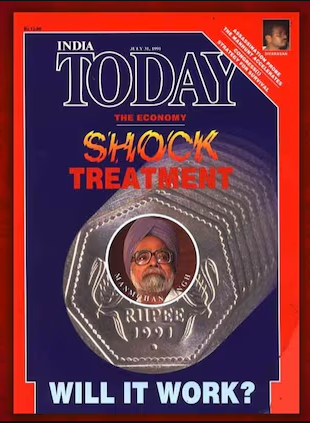
With these words, Manmohan Singh began his historic 1991 budget speech, signaling a seismic shift in India’s economic trajectory. As Finance Minister, Singh dismantled the restrictive Licence Raj, paving the way for the liberalization, privatization, and globalization India so desperately needed. Today, millions of Indians, both in India and abroad, owe their prosperity to the courage and vision of this extraordinary man. I count myself as one of them. 

He passed away last week. 

He remains the only leader to have held India’s two most serious offices—Prime Minister and Finance Minister—while embodying both honesty and exceptional qualification. His tenure as Finance Minister in 1991 irrevocably changed India’s destiny. For us Indians coming of age in the 1990s, the fall of the Licence Raj was as epochal as the fall of the Berlin Wall was for Westerners.

This tribute seeks to unpack the pivotal events Singh helped shape, the larger forces that converged during his time, and how they fundamentally transformed not just the nation but millions of individual lives—including my own and most of the people I know who hail from India.

1991: The Pivotal Year

The year 1991 was a watershed moment for India. Facing a crippling balance of payments crisis, India’s foreign reserves had dwindled to barely three weeks’ worth of imports. The Gulf War had caused oil prices to soar, and remittances from Indian workers abroad had plummeted. With no other options, then-Prime Minister Narasimha Rao and Finance Minister Manmohan Singh turned to the IMF and World Bank for emergency loans. In return, India was compelled to enact sweeping reforms.

Singh’s reforms dismantled the bloated Licence Raj—a system of bureaucratic controls and permits that had stifled India’s private sector for decades. The reforms unleashed the pent-up energy, initiative, and innovation of India’s entrepreneurs. Singh’s leadership in liberalizing India’s economy was not just a response to crisis but a bold declaration of a new direction for the nation.

Millions of us, particularly those who came of age in the 1990s, are living in the shadow of what Singh’s vision unleashed. As a member of India’s burgeoning middle class, I grew up benefiting immensely from opportunities that were unthinkable before 1991. Today, I recognize that much in my life I am grateful for stems not only from my own efforts but also from the larger forces Singh set into motion in 1991.

The Six Pivotal Events

India’s transformation was shaped by a confluence of key events and decisions. While Manmohan Singh’s role was central, other forces and individuals also contributed to the nation’s economic rise. Here are six pivotal moments that reshaped the destiny of India and its diaspora:

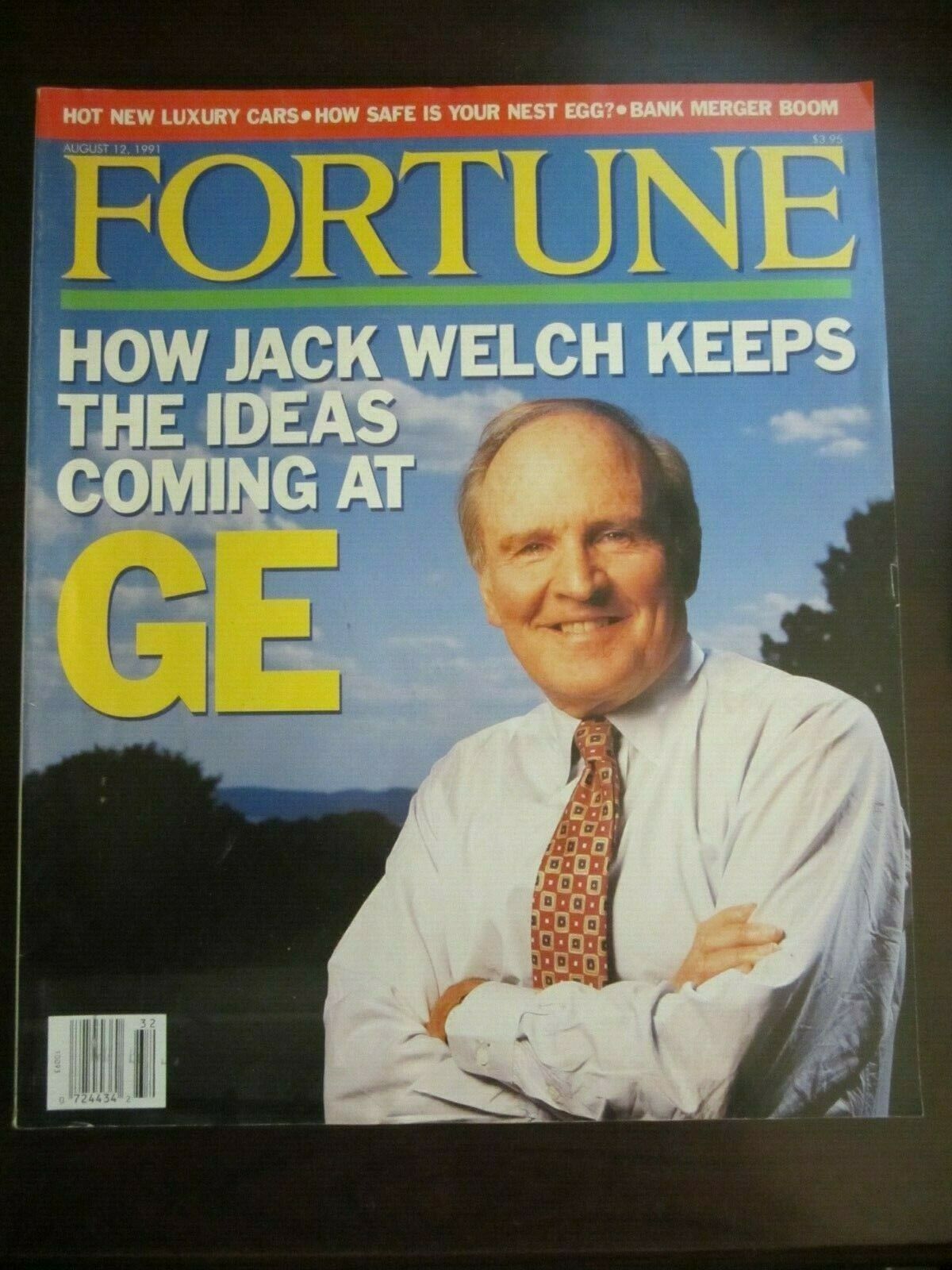
1. Jack Welch’s Visit to India (1989)

In 1989, Jack Welch, then CEO of General Electric, visited India. Impressed by the talent pool, Welch envisioned India as a viable destination for outsourcing GE’s back-office operations. With support from GE veterans like Raman Roy and Pramod Bhasin, GE established its first Indian Business Process Outsourcing (BPO) center, GE Capital International Services (GECIS), in 1997. GE’s move was a trailblazer; soon, other global firms followed suit. This marked the birth of India’s IT-enabled services (ITES) industry—a cornerstone of its economic boom. (ps. I briefly worked at GECIS after I graduated. It was in true startup mode then). 

——————————————————————————-

2. Economic Reforms of 1991

The liberalization, privatization, and globalization (LPG) reforms led by Manmohan Singh marked the end of India’s inward-looking economic policies. Singh opened India to foreign investment, reduced import tariffs, and encouraged competition. The private sector—long suppressed—flourished in response. These reforms set the stage for India’s rapid economic growth in the decades that followed. I graduated into the job boom these reforms unleashed. As did most of my batchmates and future colleagues. 

——————————————————————————-

3. The 1994 National Telecom Policy

The 1994 National Telecom Policy was a game-changer. By introducing competition and lowering costs, it expanded access to telecommunications and laid the foundation for India’s IT boom. Robust telecom infrastructure became a critical enabler for the ITES industry, allowing Indian firms to reliably serve clients worldwide.

——————————————————————————-

4. Clinton-Era Free Trade Policies (1993-2000)

During the 1990s, the global zeitgeist favored free trade and minimal barriers to commerce. Under President Bill Clinton, agreements like NAFTA encouraged global outsourcing. India, with its English-speaking workforce and cost advantages, became a preferred destination for back-office operations and IT services.

——————————————————————————-

5. The Y2K Opportunity

The Y2K bug was a global scare, but for Indian IT firms, it was a golden opportunity. Companies like Infosys and TCS were hired to fix the millennium bug in software systems worldwide. This showcased India’s technical expertise on the global stage and solidified its reputation as a hub for IT outsourcing. By 2024, India accounts for 65% of global IT offshore work and 40% of global business processing work.

——————————————————————————-

6. Management Ideas That Encouraged Outsourcing

Three influential management concepts accelerated outsourcing to India:

  • Value Chain Framework (Michael Porter, 1985): Encouraged firms to focus on core activities and outsource non-core functions. India’s ITES sector said “Send the non-core functions to us. We’ll do it reliably and cheaper.” And Western Firms did.
  • Core Competencies (C.K. Prahalad, 1990): Urged firms to leverage unique strengths and delegate back-office work to specialized providers.
  • Business Process Reengineering (Hammer & Champy, 1993): Advocated radical redesign of processes, including outsourcing, to achieve cost efficiency.

These frameworks legitimized and popularized the idea of outsourcing, and Indian ITES firms were ready to meet the demand that was unleashed.

——————————————————————————-

The Personal Impact

The convergence of these events created a world of opportunity for millions like me. As a member of India’s middle class, I graduated in 2001 and joined the ITES industry—an industry that owes its very existence to the reforms Singh and others championed. Had any of these pivotal moments not occurred, my career and life trajectory would have been drastically different. And not for the better I suspect. 

Manmohan Singh’s bold actions in 1991 set off a chain reaction of growth and prosperity. He believed in the transformative power of ideas, and his conviction gave millions of Indians the tools to dream bigger, reach farther, and achieve more. His unblemished record in India’s notoriously corrupt political landscape stands as a remarkable achievement, bordering on the impossible.

A Grateful Farewell

In 2014, shortly before leaving office as Prime Minister, Singh remarked,

I honestly believe history will be kinder to me than the contemporary media or for that matter, the Opposition parties in Parliament

Sir, you were right. History will remember you as the man who unshackled India—who empowered a nation to rise and take its place on the global stage. On behalf of the millions whose lives you changed, thank you.

May you rest in peace.

Dr Manmohan Singh: The visionary who changed India forever

Unmasking the Chameleon : A Survival Guide

The late great Charlie Munger, Warren Buffets BFF, long advised his readers to adopt a lifelong habit of building a Latticework of Mental Models for thinking and decision making, to help one understand and navigate the complexities of this world.

All of us reading this have a likely list of “I wish I had…” regrets. Whether it is short or long list is a good clue to how introspective you are. My top two (for now) are – I wish I had started saving and investing a decade earlier than I actually did and I wish I had started going to the gym a decade earlier than I actually did.

But earlier this year I unexpectedly stumbled into a third regret.

On some idle Tuesday earlier in the year, doodling in one of those pointless MS Teams meetings that is both a defining feature and a bane of post covid work life, I drew myself a doodle that hinted at a framework I wish was part of my mental model for thinking and decision making much earlier. A decade earlier at the least.

But now that I have drawn it, obsessed about it and decided to make it a part of my mental model I am going to write about it here for 2 reasons.

1. Stress test it by sharing it and getting feedback on the model

2. Follow the good advice that the best way to think and polish thinking is to write it down

for starters here is that doodle I drew :

Now the core idea of this venn is that there are only 4 types of people most of us will encounter in life. And at work :

1. Kind people 🥰

2. Kind Nice people 😇

3. Nice people 😑

4. Sociopaths! 😈

And it would save you and me immense future trouble, stress and grief if we did 4 things well going forward :

a. Learn to correctly and quicky slot the people we meet into these 4 slots – a real but NOT an easy skill. Errors are inevitable.

b. Do everything possible to limit our time with type 3s and 4s in your life.

c. Understand that all Type 3s and 4s are wily chameleons and will try to pass themselves off as Type 2s and a scarily large number succeed at it. This is at the root of the whole problem.

d. Deliberately seek out a few Type 1s – Because they are the BEST people to get good feedback from (even better than Type 2s because they don’t care about appearing kind. And good genuine useful hard feedback rarely is or feels KIND – see the Jobs anecdote below)

Now each of the above takes some hard thinking and harder doing but for now lets just aim to understand why doing ‘B’ above will it be harder than you think ?

Note : If you stop reading NOW, you will have gotten the main point and value of this essay. Everything below is ‘extra’.

Odds are you are working in a nice cushy corporate job if you are reading this blog. Or at least that is what the wordpress analytics is telling me. And the corporate ladder’s top half is thoroughly greased with a slippery ‘anti niceness’ oil whose explicit purpose is to weed out type 1 and 2. So if you work in a typical company (and most of us do) then you very likely are dealing with 3s and 4s all day long. Because they tend to be in senior roles, having being unaffected by the anti niceness oil encountered on the climb up the ladder. Think Dilbert’s Pointy Haired Boss, Catbert and CEO characters. David Graeber’s bullshit job hypothesis also hints at the vital need to appear ‘NICE’. Bullshit jobs are non essential by definition and so being collegial is critical for survival since one is essentially dispensable in the BS factory.

One (of many) reasons this is so is because Hard Necessary Decisions at inflection points of a firms life are made easier by Type 3 and 4. Type 1 and 2 hesitate and stall because hard choices hurts stakeholders and that sits poorly with them. They care.  

Also Type 4s are NOT the proverbial villains I might have inadvertently implied. You know who a famous type 4 was ? Steve Jobs. And look where he got Apple.

Being nice is based on mood. Being kind & good is based on principle. A kind person will be brutally honest with you when it is warranted and give you accurate feedback if s/he is your boss. A nice person will sugarcoat. Sugar coating removes the essence of good feedback. Like getting served non alcoholic beer or eggless sugarless cake at a terrible party. Honesty trumps Niceness when improvement is the goal and work and life is all, ideally, the pursuit of getting good real feedback and improving. Maturity implies a preference for plain truths over gilded illusions. Kind dishes that.

(A fantastic anecdote about Steve Jobs’s related to his reputation for being a hard boss and doling out merciless criticism was notorious. His Head of Design Jony Ive (a design legend), years ago, after seeing his fellow colleagues crushed, protested to Jobs. “You can’t be this nasty in your feedback Steve!” And Jobs replied, “Why would you be vague?,” arguing that ambiguity was a form of selfishness: “You don’t care about how they feel! You’re being vain, you want them to like YOU.” … “It’s really demeaning to think that, in this deep desire to be liked, you’ve compromised giving clear, unambiguous feedback!“)

So being ‘Type 4’ is not all evil laughter and villainy. Its sometimes needed to get the (steve) job done. (See what I did there….also I now suspect Jobs was a Type 1 but wrongly labeled a Type 4 because it made for a better story in the press)

The application in MY (and hopefully YOUR) life of this simple model

Now you can’t choose your relatives and most times you can’t even choose your work colleagues either. But the good news : You CAN choose your friends. And a good use of this model is to carefully assess and then filter out everyone who you suspect is a type 3 or 4. And at work, be wary of them. Limit exposure, avoid entanglements where possible.

And it won’t be easy.

a] ….Because YOU are not a Type 3 or 4 (I do hope)

b] …..Type 4s (Sociopaths 😈) tend to be quite smart and phenomenally good a disguising themselves as a Type 2. Even better than Type 3s. They are world class chameleons.

c] without a long enough relationship you can never confidently know why someone’s type IS. We don’t know how Nice or Kind someone is until they don’t have to be. You need good data and good data takes time to accumulate.

But the reward in the end is worth it. A life surrounded with trustworthy KIND people who are NOT faking it. That’s a worthy goal! You should start by ‘Always be a little kinder than necessary.’

The Best 25 Longform Articles – 2023 Edition

It’s taken me 1000 days to read through this latest batch of 250 Longform articles. From that pool, 25 can be confidently tagged ‘Superb‘. All listed below with links and brief explanation on what each longform is about.

This brings the total running tally of LFAs read, since this project kicked off in 2016, to 1000 longform essays. I have blogged 4 times earlier on this ongoing, no deadline project. In those posts I had nominated the best 75 LFAs from 750 read. Post 1 herePost 2 herePost 3 here. Post 4 here. This latest 25 ‘BestOf‘ LFAs from 250 read 1000 days, brings the tally of ‘winners’ to a clean 100 from a total pool of 1000. Links to all 100 are in the 5 posts.

All 25 essays here below have links embedded. I can vouch a few will change your life if you read them. If you need some convincing try this gem as an appetizer. It’s one of the winners and makes a persuasive arguement for essays. 

I also did some digging to see if there was a trend or pattern to who and what I was leaning towards in my recent reads. I meta-tagged the 250 LFAs on what they were about and then generated a wordcloud to see what I was mostly reading about and around. Data says I am all over the place. And that relieved me. The fact I cannot zero in one one subject I seem to be obsessed with/about agrees with one of my core tenets. Reading in a narrow lane is detrimental to the goal of being a true well rounded reading flaneur.

Auto generated wordcloud from the themes of my reading above

And was there any particular person(s) I favored in the latest tranche of 250 ? Data says there was a distinct preference in my reading for the following writers I have listed below ⬇. Looking at them a second wave of relief washed over me. I think I am reading some sharp, smart, good thinkers and writers so I am really pleased about this reveal. And I also realized in this tranche I am quite partial towards anything that helps me better understand the soul sapping culture war we are all in. And lastly, a few of the essays here are under 3000 words but they pack more punch than some 10000 word blahs that barely registered. Case in point – Didions essay on Self Respect.

Here then are my favourite writers off late. I will read pretty much anything they write without a moments hesitation:

Paul Graham is an English computer scientist, essayist, entrepreneur, investor, and author. 7 (!) of the best 25, from a wide pool of 250 decent essays read, were written by Paul.

Scott Alexander Siskind is a prolifc blogger and psychiatrist. He is the author of the blogs Slate Star Codex (SSC) and its successor Astral Codex Ten (ACX). He would get Vote #1 for ‘Living Geniuses I read‘ (now that Hitchens is dead). He writes about pretty much anything and everything but I am a big fan of his punchy book reviews. His essays are dense but have high payoffs. And he’s written one of those few ‘shook my being’ essays.

Ben Thompson is an American business, technology, and media analyst, who is based in Taiwan. He is the author of Stratechery, a newsletter featuring commentary on tech and media news. Through his essays understanding the technology landscape is made a much easier task.

Howard Marks is an American investor and writer. He is the co-founder and co-chairman of Oaktree Capital Management, the largest investor in distressed securities worldwide. Warren B writes once a year. Mark fills the gap and writes every few weeks and every newsletter is a masterclass in how to think about markets, investing and risk.

Andrew Sullivan is a British-American author, editor, and blogger. Sullivan is a political commentator and his essays on the zietgiest are sharp, witty and a great lense to understand the hellish morass that is the current news cycle.

Morgan Housel is an financial blogger and an expert on behavioral finance and history. He was a former finance columnist at The Motley Fool and The Wall Street Journal and now his essays hosted on Callab Fund are masterclasses on how to approach life and money.

Ok. Enough with the throat clearning. Here are the goods :

The Age of the Essay, written 2 decades ago, makes a superb case for why this medium is so potent and reinforced to me why reading it is such a pleasure, especially when the job is done by a true artist of the medium. Like Paul.

‘How to Think for Yourself’ is a brilliant primer on how to innoculate yourself as an independent-minded thinker in the midst of this NPC plague where everyone parrots their party line.

‘How People Get Rich Now’ is an essay by Paul Graham where he explains what changed from how people got rich earlier and why this is so. A great essay for anyone interested in wealth building or creating the next unicorn or both.

‘How to Make Wealth’ , also by Paul Graham can be read as a prequel/sequel to the above essay. They were written 17 years apart by blend well as a duo in helping understand wealth as a phenomenon and how to approach theart of accumulating it.

‘How to work hard’ explains the right attitude you need to bring to the hard work trope. This essay revised my thinking of the cliched concept and approach. Another Paul Graham winner.

How to Do Great Work is a recent essay that is destined to be a classic. Graham fastidiously walks the reader through the entire concept and implementation of this hard to reach, hard to teach concept. Long but oh so well out.

Heresy . Up till about 1985 the overton window had been growing ever wider. Anyone looking into the future in 1985 would have expected freedom of expression to continue to increase. Instead it has decreased. Paul dives into why this is so.

Book Review: The Man From The Future (John von Neumann). Scott Alexander reviews the book The Man From The Future, by Ananyo Bhattacharya, to gawk at an extreme human specimen, maybe the smartest man who ever lived. Gawk along with him in this fantastic essay. We need a dozen Neumanns now more than ever.
Book Review: Fussell On Class is a summary and commentary on Paul Fussell’s “Class: A Guide Through The American Status System”. As a resident and citizen of Britain, the country that invented and later perfected it, this book review by Scott does a great job delving into the phenomenon.

Book Review: Bobos In Paradise is another book review by Scott, that pairs beautifully with the above Fussell review, on examing the genesis of the today’s upper class.

Why aren’t smart people happier? is an essay that aims to answer modern day philosopher Naval’s twist to the platitudinal question. “If you are so smart why aren’t you happy?” . This essay tries, tried hard and gives the reader some decent grub for thought.

Writing In Public, Inside Your Company is an essay I wish I had read the moment I started my corporate career 22 years ago. A superb longform that guide on how to write well inside the workplace.

The Purpose of Writing and the lost art of thinking goes well with the above essay and here Sven makes a fantastic case for why and how Writing clarifies and sharpens your thoughts in a way that is superior to merely articulating them in a conversation. Bonus : this is a short essay.

The Turn is another short essay. I still added it in here because it a superb one. The author writes about why, finally, he broke off with the new loony left. Best paired with the above Heresy essay by Paul Graham.

The Fall of Robespierre: 24 Hours in Revolutionary Paris is a book review hosted at ACX. Never knew of Robespierre before reading this book review and 2 paras in I was hooked. What a day that must have been in Paris. This review is a fantastic summary of book and day.

Book Review: The Society Of The Spectacle is another book review hosted at ACX. Did not know what to expect going in but coming out of it, after reading this, I had that oh-so-rare emotion of ‘Good Lord, this explains SO MUCH of my current environment’ feeling that so few essays and books achieve. More people should know about Guy Debord.

Book Review: 1587, A Year Of No Significance is yet another book review hosted at ACX. It reviews the book ‘1587, A Year of No Significance: The Ming Dynasty in Decline‘ and you walk away post reading away feeling like you were almost there in that non event year. A superb painting of a distant period via a well written book review.

Want to understand the genesis of this ongoing soul sapping culture war? Erik Torenberg’s done the heavy lifting for you via this 3 part series that explains how we all got unwillingly drafted into this sordid no winner war and ended in the stinking trenches we are all huddling in.

Truth, Status, and Tribes, The tensions between truth and social cohesion is another Erik Torenberg essay that does a superb job explaining just WHY people act and react the way they do in this ongoing soul sapping culture war. A solid hypothesis well written.

The Erosion of Deep Literacy sees Adam Garfinkle delving into what happens to a population when their attention span and IQ are assaulted by the double curse of a corrupted MSM and subpar education.

Pair the above three reads with this short gem from Amanda Fortini in the Free Press. In ‘Real Life Does Not Fit The Narrative’ Amanda rages beautifually against the prefabricated narratives we are sprayed with daily where the purpose of the narratives we are fed by the governing elites and mainstream media is to obscure reality, not to reveal it.

Bari Weiss is the founder and editor of The Free Press. In this stirring speech The New Founders America Needs, to students at The University of Austin, she makes a standing ovation worthy case for why it is time to join the true intellectual resistance. Goes well with The Turn and Heresy listed above.

The Opinion Pageant. Or how the pressure to have an opinion is creating a fake society Round off the culture war grand tour with this sharp essay from Gurwinder, a substack blogger who smartly explains the opinion pageant and the fraudulent world we now find ourselves living in.

Now we are going to go ‘Old School’ to read 2 classics by true legends of the medium. These two are the kind of essays that makes you react exactly like the Banderas meme :

Joan Didion, author, journalist, and style icon, died recently after a prolonged illness. She was 87 years old. Here now is Didion’s seminal essay “Self-respect: Its Source, Its Power” which was first published in Vogue in 1961. Didion wrote the essay as the magazine was going to press, to fill the space left after another writer did not produce a piece on the same subject. She wrote it not to a word count or a line count, but to an exact character count. Legend. And what an essay it is.

Last year I became a British citizen. To hit that happy milestone I had to pass a lifeless bland quiz mandated by the current goulishly led Home Office. I am certain the goal is to ensure wannabe citizens understand this country a wee bit more than they did landing in. But then here is an epic Orwell essay that does that job more thoroughly vs any soulless test. “England Your England” is an  astoundingly penetrating essay written by George Orwell during The Blitz of 1941 as bombers of Nazi Germany flew overhead. It was his attempt to define English culture and the English people for the rest of the world as he feared that it might soon be wiped out by the Nazis. I remember reading this on my kindle on a flight back to London and as the plane approached English shores from the east, crossing the channel from France, I had this sublime moment when I felt like I knew my adopted country’s soul better than I ever had and what it meant to be English. Essays like this is why I will never stop reading them and why 30 years from now I hope to still be blogging about my favourite 25 from the last 250 read.

——————————————————————————

So there is it. 25 of my favourite essays from 250 read in ~900 days. Next update ? When I finish 1100. Hopefully by the start of summer of 2024. Until then enjoy these above treats. For when you are done you will agree they so are.

The Best 15 Longform Articles – 2021 Edition

In the last 1 year I have managed to read up 150 more longforms articles (LFA) and from those I have picked 15 that I rate with as ‘Superb‘. Reading these 15 was pure pleasure and a few of them also managed to open the mind to some brilliant concepts and out there ideas.

So now the total running tally of LFAs read since I started this project in 2016 comes to 750 Articles in all. I have blogged thrice on this ongoing, no end date project before and nominated the best 60 LFAs of 600 in these three seperate posts from earlier. Post 1 here. Post 2 here. Post 3 here.

The latest 15 ‘BestOf‘ LFAs brings the tally of ‘winners’ to 75, this from the total pool of 750 read over the last 5 years. All 15 chosen have links to the actual articles below. I do hope you read a few. What a time to be alive when all of it is free.

An investigative reporting on the Mafia in Naples and the man who ran it for decades. Superb writeup, thrilling true story.

https://www.vanityfair.com/culture/2012/05/naples-mob-paolo-di-lauro-italy
30 Years Ago, Romania Deprived Thousands of Babies of Human Contact. Here’s what’s become of them.

https://www.theatlantic.com/magazine/archive/2020/07/can-an-unloved-child-learn-to-love/612253/
Crony Beliefs by Kevin Simler on his blog ‘Melting Asphalt’.

(If you want to better understand why X people believe in Y, this may be the best explanation for it)

https://meltingasphalt.com/crony-beliefs/
How Pakistan got its Nukes.

http://www.theatlantic.com/magazine/print/2005/11/the-wrath-of-khan/4333/
How do people really advance through the corporate hierarchy? Hint: it’s not by working the hardest.

https://defmacro.substack.com/p/how-to-get-promoted
Paul Graham on Conformism.

http://paulgraham.com/conformism.html
STUDIES ON SLACK – Another gem from slatestarcodex

(Scott draws parallels between the ways these different systems balance competition and slack and how it affects the entities involved.)

https://slatestarcodex.com/2020/05/12/studies-on-slack/
The 1969 Playboy Interview of Marshall McLuhan about the impact of the media on man.

https://web.cs.ucdavis.edu/~rogaway/classes/188/spring07/mcluhan.pdf
The Internet of Beefs by Venkatesh Rao

(Never have I read a better explanation of the current culture wars)

https://www.ribbonfarm.com/2020/01/16/the-internet-of-beefs/
The Mind of Marc Andreessen

(A superb profile of a damn interesting man)

https://www.newyorker.com/magazine/2015/05/18/tomorrows-advance-man
The Three Sides of Risk by Morgan Housel

(if you want to ever read a superb essay of ‘RISK’ this is it)

https://www.collaborativefund.com/blog/the-three-sides-of-risk/
Twilight of the Media Elites

(Most of what passes for ‘news’ is like a mixture of entertainment and propaganda. Here is the reason why it is so)

https://www.thepullrequest.com/p/twilight-of-the-media-elites
Why Do Corporations speak the Way They Do?

https://www.vulture.com/2020/02/spread-of-corporate-speak.html
What You Can’t Say | January 2004 | Paul Graham on Censorship and Heresy

http://www.paulgraham.com/say.html
ZIRP explains the world | A speculative but superb “theory of everything”

https://themargins.substack.com/p/zirp-explains-the-world
BEST 15 LFAs

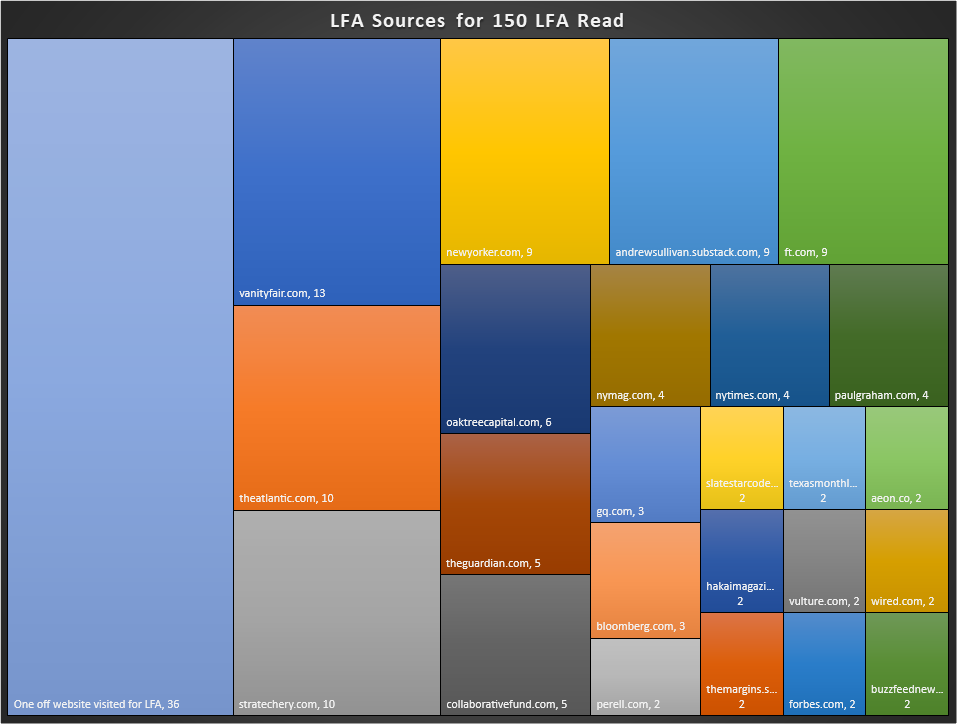
My long term goal, besides getting educated by reading these LFAs, is also to ensure I never veer into reading from a echo chamber of similar publications. So I keenly track just where my LFAs are flowing in from. And for the latest batch of 150 the breakdown is below. So these 150 LFAs came from 60 different website. I am OK with that kind of diversity.

Link to Earlier Posts on BestOf LFAs :

0-100
The Best 10 Longform Articles of 100 I Read
https://shivashetty.com/2016/09/22/how-you-can-tell-100-cool-stories-at-your-next-party/

101-300
The Best 20 Longform Articles I read
https://shivashetty.com/2018/03/02/the-20-best-articles-from-3-long-years-hunting-for-them/

301-600
The Best 30 Longform Articles of 300 I Read
https://shivashetty.com/2020/03/29/the-best-30-longform-articles-of-300-read/

Photo by Thought Catalog on Pexels.com

Calm in Chaos: A Framework for the Overhyped Now

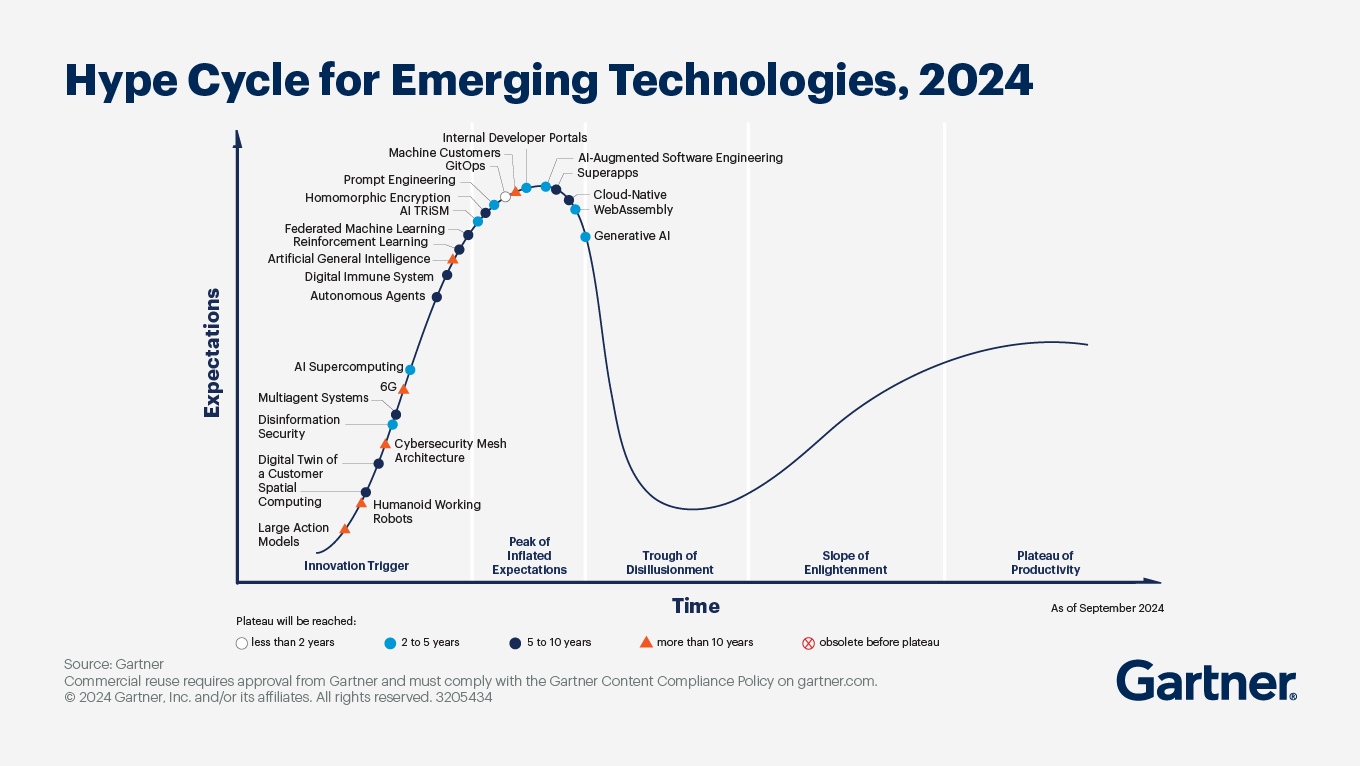
This essay’s TL;DR ? Don’t get too caught up in the current “this time it’s different” hype cycle. Focus on the basics and what is immutable.

“EVERYTHING IS CHANGING. NEW NEW THING WILL NOW REPLACE THE OLD NEW THING!”

Currently the zeitgiest is all about and around AI hot takes. Earlier it was Blockchain and Robotics/RPA. Before that NFT and Web3. Before that AR/VR/XR and so on. It perennially feels like the headline earlier has invisible exclamation marks. This seems to be the undertone in and of all media we consume. This happens regardless of source, type, or format.

“Everything is changing! Nothing will stay the same!! Be Nervous!!”

Most media entities and business firms that are vested in change are hellbent on convincing the rest of us that everything is changing and fast and if we don’t change and fast, we will be left behind. The goal of media this century is to make every problem your problem. Both at work and away from it. This is exhausting. Humans have ‘status quo bias‘ and this relentless barrage grates against that. But it has begun to dawn on me that this message is grating BUT bogus. It’s a Lie with a capital L.

William Gibson coined the term “Cyberspace” and later popularized the concept in his novel Neuromancer. He has an awesome quote attributed to him wayyy back in 1993: “The future is already here — it’s just not very evenly distributed”.

Gibson as always was precient. While Change is a constant, sure, it is never ever evenly distributed. Everything #Hot and #New is not destined for world domination, inspite of breathless non-stop press assuring us it so IS.

So now I have my own framework to better understand change and reclaim a sense of calm in the eye of the relentless barrage.

The 5-35-60 Rule of Change.

In a nutshell : At any given moment something that has gained attention and traction is likely

[a] going to peter off at 5% adoption – if it is a worthy but incremental improvement over the status quo

[b] going to top off at 35% – if it is a vast improvement over the status quo

[c] peak at 60% penetration – if it is a 10x improvement and much cheaper then current alternatives.

Corollary : The initial 5% will feel rapid and feed the headlines. The next 30% will be slow but feel fast. The last 25% (to reach 60% saturation) will feel glacial in pace.  

Want examples ? Here are things that roughly fit this framework out in the real world:

  • Online eSales (Amazon currently has about 40% of U.S. e-commerce market share. Not even 50%. Amazon ha sbeen at it for 30 years now. Bet you thought it was 80%+)
  • The rise of smartphones (over 2 decades the number of people that own a smartphone is ~4.88 Billion, making up ~61% of the world’s population)
  • Online MOOCs vs traditonal college education (under 5% peneration)
  • Netflix vs Cable TV as a % of TV Consumption (4 people in a room of 100 people have Netflix, globally have a Netflix Account)
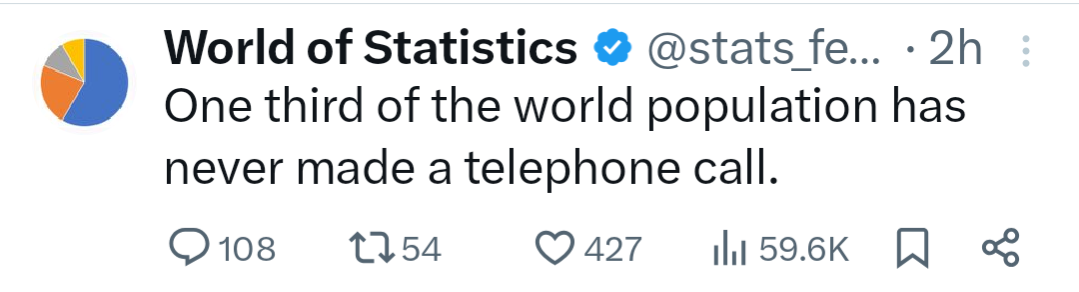
  • Lastly, no one will deny AIR TRAVEL has been one of this last century’s miracle esp after it became addordable. So guess how much % of the world population has flown in an aircraft ONCE at least in their life ? .. You ready ? 5%

Nothing is going to go on a smooth upward path from 0 to 100% adoption. No matter how much fawning press it gets and however much the consultants and industry hacks try and convince you otherwise in their slick decks.

Jeff Bezos has a mature take on change. In an interview long ago he said “I very frequently get the question: ‘What’s going to change in the next 10 years?’ And that is a very interesting question; it’s a very common one. I almost never get the question: ‘What’s not going to change in the next 10 years?’ And I submit to you that that second question is actually the more important of the two — because you can build a business strategy around the things that are stable in time. … [I]n our retail business, we know that customers want low prices, and I know that’s going to be true 10 years from now. They want fast delivery; they want vast selection. It’s impossible to imagine a future 10 years from now where a customer comes up and says, ‘Jeff I love Amazon; I just wish the prices were a little higher,’ [or] ‘I love Amazon; I just wish you’d deliver a little more slowly.’ Impossible. And so the effort we put into those things, spinning those things up, we know the energy we put into it today will still be paying off dividends for our customers 10 years from now. When you have something that you know is true, even over the long term, you can afford to put a lot of energy into it.”

In this breathless news saturated ADHD world we feel like any new phenomenon/tech is going to get adopted by 100% of the market we operate in by the end of the year. But to get to Gibsons ‘Evenly Distributed’ end state takes herculean effort, flawless execution and a tremendous amount of time. And this only if the new new thing is much cheaper and 10 times better. Else things peter out much earlier (at 5%, at 35%). Even the oh-so obvious improvements. Red Queen Effect is a thing too. The system pushes back. If history is any guide a black swan event will much more likely dispurt your planning versus this new new thing everyone is raving about.

Things that never change are the most important things to pay attention to. Change gets most of the attention, because it’s exciting and surprising. But things that stay the same – how people behave, how they think, how they’re persuaded – is the real meat of history. the legendary historian Will Durant said it best and long ago : “People spend too much time on the last 24 hours and not enough time on the last 6000 years.”

Decision-Making: The Most Underrated Skill in an AI-Driven World

Most folks who read this blog are in white-collar jobs. Which means since the beginning of this last decade (2010s) have been relentlessly bombarded by the trifecta bingo of AI, Automation and Analytics. If you are skeptical just open your LinkedIn feed.

Everyone in the corporate hierarchy is focused on learning about, deploying and getting on top of these buzzwords. For those who feel there MUST be an alternative specialization, there IS.

DECISION MAKING.

If there is ever a vote for ‘the most neglected subject I wish I had been really drilled on and into while in college’ I would hands down vote : ‘THE BASICS OF GOOD DECISION MAKING (& BIASES THAT TRIP IT)’.

When you strip all the superfluous layers away (College Credentials, Skin Color, Gender, Looks, Wardrobe, Accent, passport) what really gets rewarded in a truly MEI friendly workplace is a person’s ability to make repeated good decisions. An HBS/IIT grad who has a poor track record of DECISION MAKING will,  in the long run, do worse than someone who makes a provable track record of good decisions made.

We live in a world that, if it rewards anything, rewards better decisions. The rest is increasingly automated. It’s the ability to navigate complexity, filter noise, and choose wisely that sets winners apart. Sure AI and tools support us, but the power to decide is irreplaceably human. AI, Automation and Analytics are in the end all in the service of helping meat bags make GOOD DECISIONS.

This is The Most Critical of All Skills in the coming decades……until AGI is real.

So….want to start getting better at it ? Then your first stop is widely considered the first port of call in its sphere :

https://fs.blog/smart-decisions/

And your second stop is to buy and read Charlie’s book: https://www.goodreads.com/book/show/61362987-poor-charlie-s-almanack

Herding Bits, Not Sheep: The Evolution of Work

Premise

There are two fundamental components that make up the content of most of our lives in 2020s :
A. Physical things (baryonic matter)
B. Digital things (information, represented in 0s,1s in this young century)

Till about 1950, before the Anthropocene truly began, world trade, world GDP and the lives our grandparents lived was all about A (Physical things)

Once Computers, Internet, cheap bandwidth, Smartphones and Wifi truly took hold most of world trade, world GDP and our lives in the G7 became all about B.

Case in Point : Your dad read a paper book then (a Physical thing). You now read a eBook now (a digital thing)). Humanity now fabricates 1,000 times more transistors annually than the entire world grows grains of wheat and rice combined.

In 1920s : Oil was Oil.
In 2020s : Data is the ‘New Oil’

Cheap air travel and Zoom will ensure our world will keep getting smaller and ideas and connection will be the currencies that matter, while Physical things will relegate to the background because manufacturing them will be automated and cheaper by the year. Think the price of TVs and PCs. And soon … homes!

Metaphor

My (and your) great great great grandfather just may have been a shepherd.
He herded sheep/cows. (Physical things : Baryonic matter)
His great great great grandson (me, you) is a DIGITAL shepherd.
You and I herd information on a screen. Digital things, represented in 0s,1s.

Because what we in the 2020s mostly do is shepherd information into the right excel cell, slide, email. From another excel cell, ppt slide, email sent to us, after some ‘analysis’.

From Shepherding Sheep to Shepherding Bits. Sure it’s a rough metaphor but it helps me make sense of this new order we are rapidly moving into.

Implications

Before Covid most of us in the G7 had to move ourselves to an office building to then move information around, on a screen, in the building, in the business district. During Covid most firms realized digital shepherds can move information around from anywhere. So Digital Shepherding is steadily becoming ‘location agnostic’. There is resistance yes but the trend is irresistible.

So much of what will happen in this century will come from this one single epiphany. And when AI can (inevitably) do digital shepherding better than the current crop of workers, the downstream impact just may be a re-migration of people working with A (things) again, leaving B (Bits – 0s,1s) to A.I.

And so, just maybe, the grandchildren may be shepherds again i.e working mostly on and with Physical Things.

The Best 30 Longform Articles of 300 I Read

Since 2016 I started reading and scrupulously tracking all the longfrom articles I read. Longform is any essay or article over 3000 words. It allowed me to then do this : Nominate a few outstanding longforms that I think more people should read. Because they are just so good and well worth the time invested in reading it.

2 years ago I highlighted the best of the original 300 longforms I read in 2 posts. Post 1 and Post 2. Recently I just finished another 300 in the 2 years since the last update and from the latest 300, here below are the best 30 longforms. Below each I outline the context, the web url and why it was so good. Enjoy!

A brilliant speech On Concentration, Solitude And Leadership. 

Context : This lecture was delivered to the class at the United States Military Academy at West Point in October 2009 by William, an essayist and book critic.

URL : https://theamericanscholar.org/solitude-and-leadership/

I love this LFA because : I have rarely thought about Solitude as an essential component of leadership and William brilliantly articulate WHY it is so crucial.
The Most Gullible Man In Cambridge

Context : A Harvard Law Professor who teaches Harvard student about judgment shows appalingly poor judgment

URL : https://www.thecut.com/2019/07/bruce-hay-paternity-trap-maria-pia-shuman-mischa-haider.html

I love this LFA because : the sheer WTFuckery of this story is amazing. Just…how is this possible ?
E-Mail From Bill

Context : A longform from The New Yorker 1993 this is a a brilliant Profile Of Bill Gates And The Zeitgeist In Late 1993 when the internet was not really a thing yet.

URL : https://www.newyorker.com/magazine/1994/01/10/e-mail-from-bill

I love this LFA because : An amazing profile of Bill Gates and how he was thinking about the future 27 years earlier, well before smartphones and internet became commom
Blood And Soil In Narendra Modi’s India

Context :  The state of Indian politics 73 years after independence. Disturbing.

URL :https://www.newyorker.com/magazine/2019/12/09/blood-and-soil-in-narendra-modis-india

I love this LFA because : This LFA gives a grand tour of the rotten state of Indian Civic life and what the end of the shady Congress regime looks like. Spoiler – frying pan to fire
Turkey’s Thirty-Year Coup

Context : What Erdogan is doing in Turkey

URL : https://www.newyorker.com/magazine/2016/10/17/turkeys-thirty-year-coup

I love this LFA because : If the LFA before gives a give overview of India, this one does the same for Turkey, the supposed bridge between East and West
THE HUMAN FACTOR

Context : How And Why Air France Flight 447 Crashed over the atlantic ocean

URL : https://www.vanityfair.com/news/business/2014/10/air-france-flight-447-crash

I love this LFA because : this article was so gripping i think i was holding my breath as I was reading it. After rewading it I now think what a AVOIDABLE tragedy this one was.
The Story Of Jamal Khashoggi’s Murder In Istanbul 

Context : How MBS and KSA planned and executed the murder of an old journalist

URL : https://www.insider.com/the-murder-of-jamal-khashoggi-2019-10

I love this LFA because : this graphic article truly helped me understand the real henious nature of the KSA regime
The Jungle Prince Of Delhi

Context : A Mentally Unstable Woman conned a country AND her family

URL : https://www.nytimes.com/2019/11/22/world/asia/the-jungle-prince-of-delhi.html

I love this LFA because : Just an unbelievable tale about a sad family of old in Delhi
What Is Amazon?

Context : A Superb Breakdown Of Walmart And Amazon By Zack Kanter, Founder Of Stedi.

URL : https://zackkanter.com/2019/03/13/what-is-amazon/

I love this LFA because : this LFA truly helped me understand what the giant was really about.
What The Hell Is Going On? – An essay by blogger David Perell  

Context : An Essay On How the G7 countries Got Here

URL : https://www.perell.com/blog/what-the-hell-is-going-on

I love this LFA because : A really good summary of the major changes in the west over the course of a century.
Free Speech And The Necessity Of Discomfort.

Context : This is the text of a lecture delivered at the University of Michigan on Tuesday.

URL : https://www.nytimes.com/2018/02/22/opinion/free-speech-discomfort.html?

I love this LFA because : Free Speech is a concept in most people’s head, like the color purple but this is a a Fantastic Speech about exactly what it is and why free speech is so critical in a democracy. Most countries, inclusing UK and India don’t have it.
Japan’s Rent-A-Family Industry 

Context :  Some Japansese Who Are Short On Relatives Can Hire A Husband, A Mother, A Grandson.

URL : https://www.newyorker.com/magazine/2018/04/30/japans-rent-a-family-industry

I love this LFA because : A look into a facinating niche business that can ONLY happen in Japan
The Crash Of Egyptair 990

Context : Just why ahd how Egyptair 990 crashed

URL : https://www.theatlantic.com/magazine/archive/2001/11/the-crash-of-egyptair-990/302332/

I love this LFA because : An amazing essay of both the crash and the culture and country it originated from
The Unbelievable Life And Death Of Michael C. Ruppert

Context : I saw thie guy in a documentary on Peak Oil and I HAD TO KNOWmore about what we was about.

URL : https://www.theverge.com/2014/7/22/5881501/the-unbelievable-life-and-death-of-michael-c-ruppert

I love this LFA because : this is a tereffic profile of a tragic man
“It’s Time To Make A Deal”

Context : Texas oilman Boone Pickens is staking A 25-Year Career On One Wild Roll Of The Dice In 1982

URL : https://www.texasmonthly.com/articles/its-time-to-make-a-deal/

I love this LFA because : You want to know America did business in the 80s – here is the real deal
10 Important Lessons We Learned From The 2010s

Context : Blogger Mark Manson’s take on the 2010s lessons

URL : https://markmanson.net/10-important-lessons-from-the-2010s

I love this LFA because : A top 10 list to succinctly summarize the decade gone by
Cain And Abel

Context : The Bitter Sibling Rivalry Burning Up An $800 Million Louisiana Family Dynasty.

URL : https://nymag.com/intelligencer/2019/06/the-bitter-sibling-rivalry-at-knight-oil-tools.html

I love this LFA because : A true WTF story about how money sometimes is a curse and not a blessing to some families
How An Ex-Cop Jacobson Rigged Mcdonald’s Monopoly Game And Stole Millions. 

Context : Exactly what it says on the article title

URL : https://www.thedailybeast.com/how-an-ex-cop-rigged-mcdonalds-monopoly-game-and-stole-millions?ref=scroll

I love this LFA because : Another WTF story on a US scammer that makes you marvel at human nature
How Qatar Bungled Up

Context : Kidnapped Royalty Become Pawns In Iran’s Deadly Plot and Qatar pays the price in every sense

URL : https://www.nytimes.com/2018/03/14/magazine/how-a-ransom-for-royal-falconers-reshaped-the-middle-east.html

I love this LFA because : It helped me understand why what I saw in that movie Syriana was NOT fiction but daily reality there.
London Bridge Is Down

Context : This then is the Secret Plan For The Days After The Queen’s Death

URL : https://www.theguardian.com/uk-news/2017/mar/16/what-happens-when-queen-elizabeth-dies-london-bridge

I love this LFA because : The dealth of the Queen is well planned for. And how!
Hip Hop Music Producer Scott Storch Raked In $Millions And Then Snorted His Way To Ruin

Context : Someone who could have been a music legend ends up in ruin thanks,again, to drugs

URL : https://www.miaminewtimes.com/music/ultra-music-festival-partners-with-siriusxm-for-post-cancellation-radio-channel-11597594

I love this LFA because : It is a text book case of why drugs are always bad news
On The Megapolis That Is Pearl River Delta – The Largest Contiguous Urban Region In The World By 2030

Context : This is going to be the busiest human enclave in a decade. Get to know it.

URL : https://www.timeout.com/hong-kong/en-hongkong/the-pearl-river-delta-megacity-051716
http://www.visualcapitalist.com/pearl-river-delta-megacity-2020/

I love this LFA because : It truly brought to life for me why China was going to be where the action was this century
PONZI SCHEMES, PRIVATE YACHTS, AND A MISSING $250 MILLION IN CRYPTO: THE STRANGE TALE OF QUADRIGA

Context : When Canadian blockchain whiz Gerald Cotten died unexpectedly last year, hundreds of millions of dollars in investor funds vanished into the crypto ether. But when the banks, the law, and the forces of Reddit tried to track down the cash, it turned out the young mogul may not have been who he purported to be.

URL : https://www.vanityfair.com/news/2019/11/the-strange-tale-of-quadriga-gerald-cotten

I love this LFA because : A true modern day scam with great twists and details
Promethea Unbound

Context : A child genius raised in poverty, she wanted to change the world. A horrific act of violence nearly destroyed her.

URL : https://magazine.atavist.com/promethea-unbound-child-genius-montana

I love this LFA because : An amazing story of when Genius meets Bad Luck
The Basecamp Guide To Internal Communication

Context : How project software company Basecamp communicates internally

URL : https://basecamp.com/guides/how-we-communicate

I love this LFA because : This is one of the most concise and brilliant how-to on communicating I have read
The Inside Story Of Trump’s Shambolic Transition Team – Michael Lewis

Context : Michael Lewis, author of Moneyball and The Big Short, reveals how Trump’s bungled presidential transition set the template for his time in the White House

URL : https://www.theguardian.com/news/2018/sep/27/this-guy-doesnt-know-anything-the-inside-story-of-trumps-shambolic-transition-team

I love this LFA because : It’s Micheal Lewis. Expect 24 Carat Quality writing as always. America deserves better. We all do.
The Man On The Operating Table

Context : Baynazar Mohammad Nazar was a husband and a father of four — and a patient killed during the attack on the MSF hospital in Kunduz. This is his story.

URL : https://foreignpolicy.com/2015/12/03/the-man-on-the-operating-table-msf-hospital-kunduz-afghanistan-us-airstrike/

I love this LFA because : A heartbreaking take of a man in the wrong place at the wrong time
The Toxoplasma Of Rage

Context : Why is Online so toxic ? SSC’s Scott explains brilliantly

URL : https://slatestarcodex.com/2014/12/17/the-toxoplasma-of-rage/

I love this LFA because : An amazing analysis of why and how the culture war will only get worse over time
The US Gambler Who Cracked The Hong Kong Horse-Racing Code Using Probability Theory

Context : Bill Benter did the impossible: He wrote an algorithm that couldn’t lose at the track. Close to a billion dollars later, he tells his story for the first time.

URL : https://www.bloomberg.com/news/features/2018-05-03/the-gambler-who-cracked-the-horse-racing-code

I love this LFA because : When brains meets meticulous planning, this is what you get. A gripping story well told.
Worst Roommate Ever

Context : Jamison Bachman’s Former Not-So-Bright Roommates Share Their Horror Stories About A damn twisted Man

URL : http://nymag.com/daily/intelligencer/2018/02/jamison-bachman-worst-roommate-ever.html

I love this LFA because : Having had my shre of weird roomies in my 20s, this one showed me what WEIRD really was. OMG kinda read.