
“No power on Earth can stop an idea whose time has come.”
With these words, Manmohan Singh began his historic 1991 budget speech, signaling a seismic shift in India’s economic trajectory. As Finance Minister, Singh dismantled the restrictive Licence Raj, paving the way for the liberalization, privatization, and globalization India so desperately needed. Today, millions of Indians, both in India and abroad, owe their prosperity to the courage and vision of this extraordinary man. I count myself as one of them.
He passed away last week.

He remains the only leader to have held India’s two most serious offices—Prime Minister and Finance Minister—while embodying both honesty and exceptional qualification. His tenure as Finance Minister in 1991 irrevocably changed India’s destiny. For us Indians coming of age in the 1990s, the fall of the Licence Raj was as epochal as the fall of the Berlin Wall was for Westerners.
This tribute seeks to unpack the pivotal events Singh helped shape, the larger forces that converged during his time, and how they fundamentally transformed not just the nation but millions of individual lives—including my own and most of the people I know who hail from India.
1991: The Pivotal Year
The year 1991 was a watershed moment for India. Facing a crippling balance of payments crisis, India’s foreign reserves had dwindled to barely three weeks’ worth of imports. The Gulf War had caused oil prices to soar, and remittances from Indian workers abroad had plummeted. With no other options, then-Prime Minister Narasimha Rao and Finance Minister Manmohan Singh turned to the IMF and World Bank for emergency loans. In return, India was compelled to enact sweeping reforms.
Singh’s reforms dismantled the bloated Licence Raj—a system of bureaucratic controls and permits that had stifled India’s private sector for decades. The reforms unleashed the pent-up energy, initiative, and innovation of India’s entrepreneurs. Singh’s leadership in liberalizing India’s economy was not just a response to crisis but a bold declaration of a new direction for the nation.
Millions of us, particularly those who came of age in the 1990s, are living in the shadow of what Singh’s vision unleashed. As a member of India’s burgeoning middle class, I grew up benefiting immensely from opportunities that were unthinkable before 1991. Today, I recognize that much in my life I am grateful for stems not only from my own efforts but also from the larger forces Singh set into motion in 1991.
The Six Pivotal Events
India’s transformation was shaped by a confluence of key events and decisions. While Manmohan Singh’s role was central, other forces and individuals also contributed to the nation’s economic rise. Here are six pivotal moments that reshaped the destiny of India and its diaspora:
1. Jack Welch’s Visit to India (1989)
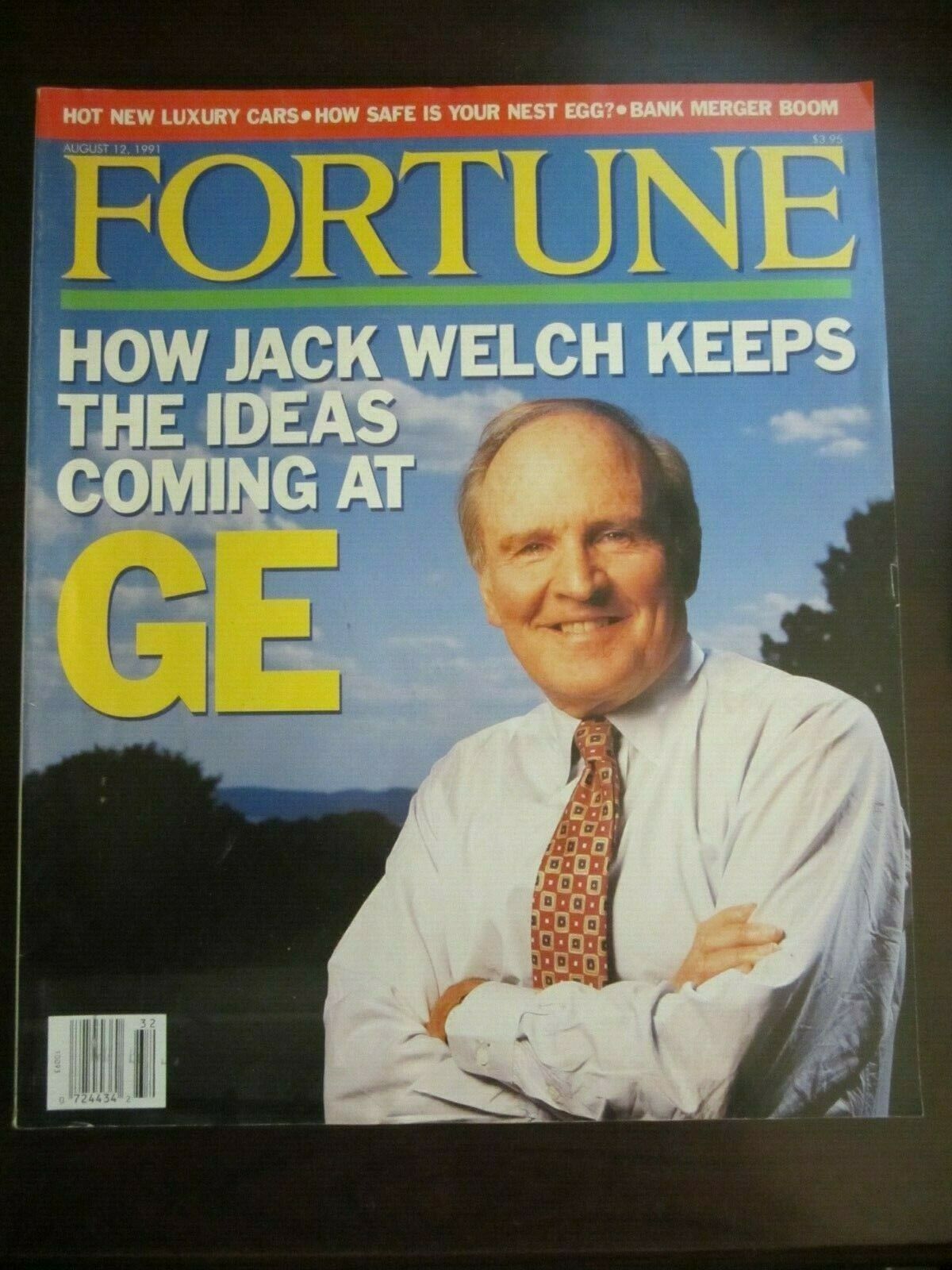
In 1989, Jack Welch, then CEO of General Electric, visited India. Impressed by the talent pool, Welch envisioned India as a viable destination for outsourcing GE’s back-office operations. With support from GE veterans like Raman Roy and Pramod Bhasin, GE established its first Indian Business Process Outsourcing (BPO) center, GE Capital International Services (GECIS), in 1997. GE’s move was a trailblazer; soon, other global firms followed suit. This marked the birth of India’s IT-enabled services (ITES) industry—a cornerstone of its economic boom. (ps. I briefly worked at GECIS after I graduated. It was in true startup mode then).
——————————————————————————-
2. Economic Reforms of 1991
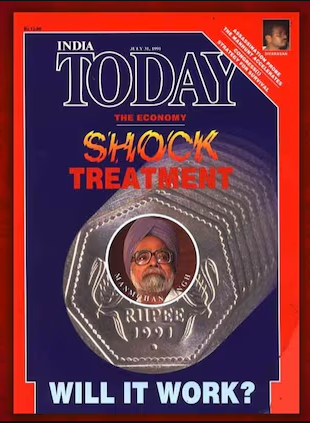
The liberalization, privatization, and globalization (LPG) reforms led by Manmohan Singh marked the end of India’s inward-looking economic policies. Singh opened India to foreign investment, reduced import tariffs, and encouraged competition. The private sector—long suppressed—flourished in response. These reforms set the stage for India’s rapid economic growth in the decades that followed. I graduated into the job boom these reforms unleashed. As did most of my batchmates and future colleagues.
——————————————————————————-
3. The 1994 National Telecom Policy

The 1994 National Telecom Policy was a game-changer. By introducing competition and lowering costs, it expanded access to telecommunications and laid the foundation for India’s IT boom. Robust telecom infrastructure became a critical enabler for the ITES industry, allowing Indian firms to reliably serve clients worldwide.
——————————————————————————-
4. Clinton-Era Free Trade Policies (1993-2000)

During the 1990s, the global zeitgeist favored free trade and minimal barriers to commerce. Under President Bill Clinton, agreements like NAFTA encouraged global outsourcing. India, with its English-speaking workforce and cost advantages, became a preferred destination for back-office operations and IT services.
——————————————————————————-
5. The Y2K Opportunity

The Y2K bug was a global scare, but for Indian IT firms, it was a golden opportunity. Companies like Infosys and TCS were hired to fix the millennium bug in software systems worldwide. This showcased India’s technical expertise on the global stage and solidified its reputation as a hub for IT outsourcing. By 2024, India accounts for 65% of global IT offshore work and 40% of global business processing work.
——————————————————————————-
6. Management Ideas That Encouraged Outsourcing
Three influential management concepts accelerated outsourcing to India:
- Value Chain Framework (Michael Porter, 1985): Encouraged firms to focus on core activities and outsource non-core functions. India’s ITES sector said “Send the non-core functions to us. We’ll do it reliably and cheaper.” And Western Firms did.
- Core Competencies (C.K. Prahalad, 1990): Urged firms to leverage unique strengths and delegate back-office work to specialized providers.
- Business Process Reengineering (Hammer & Champy, 1993): Advocated radical redesign of processes, including outsourcing, to achieve cost efficiency.
These frameworks legitimized and popularized the idea of outsourcing, and Indian ITES firms were ready to meet the demand that was unleashed.
——————————————————————————-
The Personal Impact
The convergence of these events created a world of opportunity for millions like me. As a member of India’s middle class, I graduated in 2001 and joined the ITES industry—an industry that owes its very existence to the reforms Singh and others championed. Had any of these pivotal moments not occurred, my career and life trajectory would have been drastically different. And not for the better I suspect.
Manmohan Singh’s bold actions in 1991 set off a chain reaction of growth and prosperity. He believed in the transformative power of ideas, and his conviction gave millions of Indians the tools to dream bigger, reach farther, and achieve more. His unblemished record in India’s notoriously corrupt political landscape stands as a remarkable achievement, bordering on the impossible.
A Grateful Farewell
In 2014, shortly before leaving office as Prime Minister, Singh remarked,
I honestly believe history will be kinder to me than the contemporary media or for that matter, the Opposition parties in Parliament
Sir, you were right. History will remember you as the man who unshackled India—who empowered a nation to rise and take its place on the global stage. On behalf of the millions whose lives you changed, thank you.
May you rest in peace.

 Third Eye Observations